The scorecard
7.8/10 · Great
- Songwriting25%
- 8.5
- Sound25%
- 7.0
- Performance15%
- 8.0
- Cohesion15%
- 7.5
- Originality10%
- 7.5
- Replay value10%
- 8.5
Songs like 'Caught in a Mosh' and 'I Am the Law' prove Anthrax could write thrash that develops instead of repeats, with rhythm changes and melodies that serve the riffs.
Eddie Kramer captured the live energy but the dry mix lacks definition in the guitar-bass-kick frequency range, making some passages blur together.
Belladonna's melodic vocals over Benante's double-pedal assault create tension that defines the album, though the gang choruses sometimes drown out individual performances.
The sequencing peaks early with 'Caught in a Mosh' and 'I Am the Law', then sags through 'One World' before the closing stretch recovers.
Matching clean melodic vocals to thrash riffing was Anthrax's signature move, and the Stormtroopers of Death crossover aggression gave them an edge the Bay Area bands lacked.
The Stephen King references and comic book lyrics date it less than the skateboard aesthetic, and the strongest tracks still hold up on repeat after three decades.
Anthrax Among the Living — When Thrash Learned to Sing
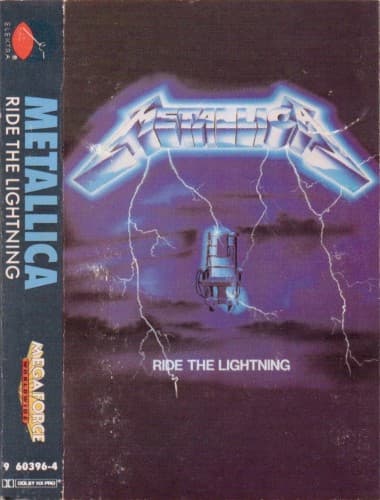
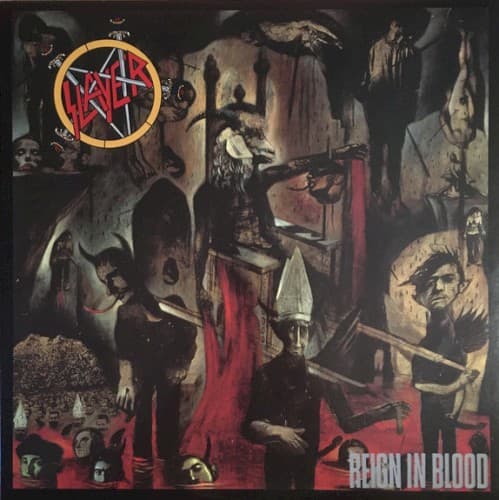
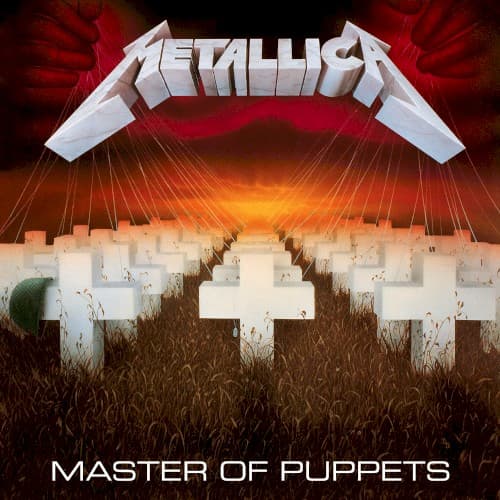
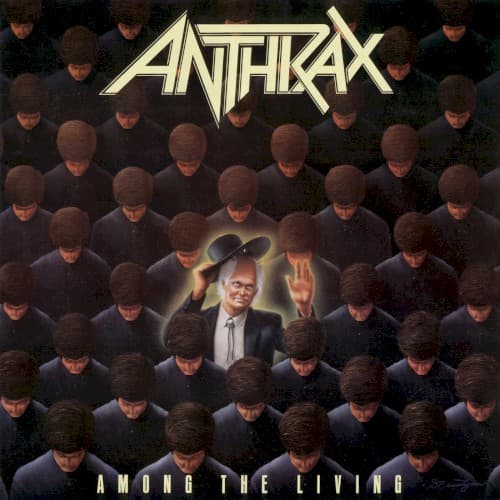
Among the Living is the argument for melody in thrash metal, the album that proved a genre built on speed and aggression could carry a tune without losing its teeth. Where Metallica's Master of Puppets had aimed for complexity and Slayer's Reign in Blood had aimed for brutality, Anthrax on their third record aimed for arenas, pairing Joey Belladonna's clean high register with Charlie Benante's double-pedal assault and Scott Ian's rhythm-guitar chug. The gamble paid off. The album pushed the band from clubs to stadiums and secured their place in the Big Four, but it also exposed the limits of their formula: when the riffs are this fast and the vocals this melodic, the songs need ideas strong enough to justify the contrast, and not every track here earns it.
The record arrived in March 1987, six months after the death of Metallica's Cliff Burton, to whom it is dedicated. Ian later said the anger in the sound came from losing a friend, and the aggression is real, but so is the calculation. Anthrax had spent 1985 and 1986 opening for W.A.S.P. and Black Sabbath, playing mid-sized arenas for the first time, and they wrote Among the Living for that room size.
Eddie Kramer, the producer who had captured the live energy of Kiss on Alive!, was hired to do the same for thrash, and the band recorded the songs as group performances at Quadradial Studios in Miami. The mix that followed became contentious: Kramer wanted reverb and effects, Anthrax wanted the dry sound of the live takes, and the final version split the difference in a way that sometimes works and sometimes just sounds flat. The album went gold three years after release, charted despite no radio play, and gave the band a catalog of staples they still perform front-to-back on anniversary tours. The question is whether it holds up as more than a setlist.
The Sound of Thrash Aiming for the Cheap Seats
The songwriting here is thrash built for arenas, not basements. Benante created the riffs and rough structures for every track, then Ian arranged them and wrote lyrics that could carry Belladonna's melodic vocal lines. The result is songs that move through sections instead of hammering one idea, with rhythm changes that keep the momentum without losing the groove.
'Caught in a Mosh' is the template: the main riff is lifted from AC/DC's 'Whole Lotta Rosie', the tempo shifts three times, and the gang-vocal chorus is designed to pull fifteen thousand people into the pit. It works because the structure is tight and the changes are deliberate. 'I Am the Law' does the same thing with leftover riffs from the Spreading the Disease sessions, building a five-minute anthem out of parts that should not fit together but do.
The problem is when the formula runs out of ideas. 'One World' has the rhythm changes and the gang vocals and the melodic hook, but the anti-nuclear lyrics are vague and the song drags past six minutes with nothing new to say.
The production captures the live energy Kramer was hired for, but it sacrifices clarity. Recording the band as a unit in the same room gave the performances immediacy, and you can hear it in the tightness of the playing and the conviction in Belladonna's delivery. The issue is in the mix.
Kramer initially added reverb and effects, aiming for the modern production of Def Leppard's Pyromania, and the band rejected it, demanding a dry sound closer to the live takes. The compromise leaves the guitars, bass and kick drum fighting for space in the same frequency range, and on the faster songs they blur into a wall of mid-range crunch instead of distinct instruments. The clearest moments are the slowdowns, like the breakdown in 'Indians' or the acoustic intro to 'A.D.I./Horror of It All', where the individual parts have room to breathe. Dan Spitz's solos are technically accomplished but sometimes lost in the mix, and Frank Bello's bass only cuts through when he is playing alone. The dry sound ages better than the reverb-heavy productions of the era, but it also makes the album sound smaller than it should.
Belladonna's vocals are the album's defining feature and its biggest risk. His clean, melodic delivery over thrash riffs was Anthrax's signature, the sound that separated them from the Bay Area bands and the German acts, but it only works when the vocal melodies are strong enough to justify the contrast. On 'Caught in a Mosh' and 'I Am the Law' the melodies are hooks that stick, and Belladonna's range makes them soar. On 'Efilnikufesin (N.F.L.)' and 'A Skeleton in the Closet' the melodies are thinner, and the gang choruses take over to fill the space. The hardcore influence from the Stormtroopers of Death project shows up in those gang vocals and in the dry, aggressive rhythm-guitar tone, giving the album an edge the more polished thrash records lack. But the edge cuts both ways: the crossover aggression makes the songs hit harder, but it also makes them shorter on ideas, relying on energy to carry tracks that do not develop.
An Album That Peaks Too Early and Sags in the Middle
The album front-loads its best material and never recovers the momentum. The opening stretch sets the stakes and the sound, establishing the Stephen King obsession and the melodic-thrash formula at once. The first stretch includes the band's defining anthem, the track that still closes their sets. By the time side one ends, the album has delivered three of its four essential songs and burned through most of its energy.
The back half starts strong with the second single and the album's most direct political statement, but then the sequencing sags. The middle section stretches past six minutes with anti-war sloganeering and no riff strong enough to justify the length. The penultimate track runs past seven minutes with an acoustic intro and a mid-tempo chug that should build to something but just repeats. The closer delivers four minutes of solid thrash, but by then the momentum is gone.
The pacing issue is partly a product of the format: vinyl side one is stacked, side two is uneven. But it is also a songwriting problem. The album has nine tracks and fifty minutes, and only six of those tracks have ideas worth their length. The three weaker songs are not filler in the sense of being throwaways, but they are filler in the sense of not earning their place in the sequence.
The result is an album that plays like a greatest-hits front half and a back half that tests patience. When Anthrax performs the record front-to-back on anniversary tours, the audience stays engaged through the first half and checks out until the closer. The album would have been stronger at seven tracks and forty minutes, cutting the weakest material and trimming the rest.
The Album That Made the Big Four and Showed the Limits
Among the Living is Anthrax's best record because it is the one that fully realized their formula before they started repeating it. The combination of Belladonna's melodic vocals, Benante's crossover-aggressive drumming and Ian's rhythm-guitar precision was unique in 1987 thrash, and the album delivered enough hooks to make that uniqueness commercially viable. It is the reason Kerrang! journalist Don Kaye included Anthrax in the Big Four the following year, and it is the reason the band still builds setlists around these songs.
But it is also the ceiling. The weaknesses here—the uneven sequencing, the riffs that run out of ideas, the production that sacrifices clarity for energy—became bigger problems on the records that followed, and Anthrax never wrote a stronger batch of songs. For fans who want thrash with melody and comic-book lyrics, this is the entry point and the peak. For fans who want thrash with depth, this is where Anthrax stops.
The album works best for listeners who value energy and hooks over innovation, who want thrash they can sing along to instead of thrash that challenges them. Skip it if you prefer the complexity of Master of Puppets or the aggression of Reign in Blood, or if you need production that gives each instrument space. Start with 'Caught in a Mosh', 'I Am the Law' and 'Indians', the three tracks that still define the band. If those grab you, the title track and 'Efilnikufesin (N.F.L.)' are worth the time. If you want more Anthrax after this, there is nothing in the catalog that improves on the formula; if you want more thrash with melodic vocals, try early Forbidden or later Testament or Megadeth. Among the Living is the sound of a band aiming for arenas and hitting the target, but it is also the sound of a band that never figured out what to do once they got there.
Track by track
Track Listing
Among the Living
StandoutThe title track opens with a mid-tempo stomp that builds into a galloping riff, Belladonna's vocal melody tracing the rhythm before the tempo doubles and the song shifts into full thrash. The Stephen King reference to Randall Flagg from The Stand is clear in the lyrics, and Ian's fascination with the character drives the narrative without overexplaining it. The song works as an opener because it announces both the melodic-thrash formula and the pop-culture obsessions that define the album, and the rhythm changes keep it from settling into a groove. The transition from the verse riff to the chorus is abrupt but effective, and Spitz's solo in the bridge adds a melodic counterpoint to Benante's double-pedal assault. This is Anthrax at their most confident, writing a five-minute track that justifies every section and never drags. The song became a live staple immediately and remains one of the band's most performed tracks for good reason.
Caught in a Mosh
StandoutThe album's defining anthem and its strongest track, built on a riff borrowed from AC/DC and a gang-vocal chorus designed to pull an arena into the pit. The verse riff is pure chug, the tempo shifts are perfectly timed, and the breakdown in the middle gives Belladonna room to stretch his range before the song slams back into the main riff. The lyrics about a roadie's experience in the slam pit double as a metaphor for life struggles, but the real point is the energy: this is thrash meant to be shouted along to, and the structure delivers. Spitz's solo is technically sharp and melodically memorable, one of the few on the album that cuts through the mix. The song still closes Anthrax sets three decades later because it is the perfect distillation of what the band does well: melody, aggression and hooks that do not quit. VH1 ranked it number twenty-nine on their list of the greatest metal songs, and that feels about right.
I Am the Law
StandoutBuilt from leftover riffs from the Spreading the Disease sessions and co-credited to original bassist Danny Lilker, this is the album's longest track and one of its most ambitious. The Judge Dredd reference in the title and lyrics is pure Scott Ian comic-book fandom, and the song commits to the concept without irony, Belladonna delivering the catchphrase 'I am the law' with conviction. The main riff is a chugging groove that should get boring over six minutes but does not, thanks to rhythm changes and a bridge section that shifts into a different tempo entirely. The production here is clearer than on the faster tracks, and you can hear Bello's bass and Benante's kick drum as separate instruments instead of a low-end blur. Spitz's solo in the second half is technically accomplished but feels like it is going through the motions, hitting the expected notes without adding much. The song became a single and a live staple, and it holds up as one of the band's best examples of thrash that builds instead of just repeating.
Efilnikufesin (N.F.L.)
SolidThe backward-spelled title is a protest against drug abuse, inspired by John Belushi's death, and the song is one of the album's most hardcore-influenced tracks. The main riff is dry and aggressive, the gang vocals are loud and the tempo is relentless, but the song does not develop much past the first minute. The verse and chorus are the same idea repeated, and the bridge does not add anything new. Belladonna's vocal melody is thinner here than on the stronger tracks, and the gang choruses take over to fill the space. The lyrics are direct and the point is clear, but the song feels like it is stretching to reach five minutes when it has three minutes of ideas. It works better live, where the energy and the crowd participation carry it, but on the album it is the first sign that the formula is running out of steam.
A Skeleton in the Closet
SolidBased on Stephen King's novella 'Apt Pupil', this is another example of Ian's literary obsessions driving the lyrics, and the song commits to the dark subject matter with a menacing riff and a mid-tempo chug. The structure is conventional thrash with a verse-chorus-verse pattern, and the rhythm changes are less frequent than on the stronger tracks. Belladonna's vocal delivery is aggressive here, closer to a shout than a melody, and the gang choruses add weight but also make the song feel less dynamic. Spitz's solo is technically sharp but buried in the mix, and the breakdown in the middle does not build to anything. The song is solid thrash with a clear concept, but it does not stand out in the tracklist and it feels like it is filling space on side one rather than earning its spot.
Indians
StandoutThe second single and the album's most direct political statement, with lyrics about the plight of Native Americans forced onto reservations. The main riff is a galloping rhythm that shifts into a breakdown in the middle, giving Belladonna room to deliver the vocal melody with conviction. The song is five and a half minutes and earns most of it, with a structure that builds instead of repeats and a solo section that adds a melodic counterpoint to the aggression. The production is clearer here than on the faster tracks, and you can hear the individual instruments in the mix. The music video directed by Jean Pellerin and Doug Freel got moderate MTV rotation, and the song became a live staple. The lyrics are earnest without being preachy, and the subject matter gives the song weight that the comic-book references lack. This is Anthrax writing thrash with something to say, and it is one of the album's four essential tracks.
One World
WeakAn anti-nuclear protest song that stretches to six minutes with vague lyrics and a riff that does not justify the length. The main idea is a mid-tempo chug with rhythm changes and gang vocals, the same formula as the stronger tracks, but here it feels like the band is going through the motions. The verse riff is solid but the chorus does not build to anything, and the bridge section repeats the same idea instead of developing it. Belladonna's vocal melody is thinner here, and the gang choruses feel like padding. The song has the hardcore influence of the Stormtroopers of Death project in the dry rhythm-guitar tone and the aggressive delivery, but it does not have the energy or the hooks to make that influence work. This is the weakest track on the album, the one that should have been cut to tighten the sequencing, and it drags the momentum of side two to a halt.
A.D.I./Horror of It All
SolidThe album's longest track at nearly eight minutes, split into two sections: an acoustic intro titled 'A.D.I.' and a mid-tempo thrash section titled 'Horror of It All'. The acoustic intro is a brief instrumental played by Spitz, and it sets up the slower tempo of the main section without adding much on its own. The thrash section is a tribute to Cliff Burton, written after his death, and the lyrics are about loss and anger. The main riff is a mid-tempo chug that should build over seven minutes but mostly just repeats, with rhythm changes that feel arbitrary instead of purposeful. Belladonna's vocal delivery is aggressive and committed, but the melody is not strong enough to carry the length. The solo section in the middle is technically accomplished but feels disconnected from the rest of the song. The track has emotional weight because of the dedication, but it does not have the songwriting to back it up, and it stretches the album past the point where the energy can sustain it.
Imitation of Life
StandoutThe closer is four minutes of solid thrash with lyrics about fake personas in the music business, a subject Ian would return to throughout the band's career. The main riff is a fast chug with a clear melody, and the song moves through sections without dragging. Belladonna's vocal delivery is sharp and the gang choruses are used sparingly, giving the track more dynamic range than some of the weaker songs. The production here is as clear as it gets on the album, and you can hear the individual instruments instead of a mid-range blur. The solo is brief and melodic, and the song ends abruptly without a fade or a long outro. This is a strong closer that reminds you what the band does well, but it arrives after two weaker tracks and does not have the weight to redeem the sequencing of side two.