The scorecard
8.5/10 · Essential
- Songwriting25%
- 9.0
- Sound25%
- 8.0
- Performance15%
- 8.5
- Cohesion15%
- 7.5
- Originality10%
- 9.5
- Replay value10%
- 9.0
The acoustic intro on "Fight Fire with Fire" and Burton's chromatic bass line on "For Whom the Bell Tolls" show new harmonic sophistication, while "Escape" reveals the limits of writing for radio airplay.
Flemming Rasmussen captured the warehouse drum reverb and Burton's distorted bass tone on "For Whom the Bell Tolls," though the rushed three-week recording left some passages muddy.
Hetfield's voice gained confidence on the title track's climbing mid-tempo verses, and Hammett's solo on "Fade to Black" developed ideas across multiple layers instead of racing through scales.
The album flows from the nuclear blast ending "Fight Fire with Fire" to the Lovecraft finale, but "Escape" breaks the momentum with its radio-rock structure.
"Fade to Black" introduced power ballads to thrash metal a year before the subgenre had formal rules, and the album replaced speed-only Kill 'Em All with songs built on tempo shifts and acoustic passages.
The title track, "For Whom the Bell Tolls," and "Creeping Death" hold up across decades, though "Trapped Under Ice" and "Escape" show their age as filler between peaks.
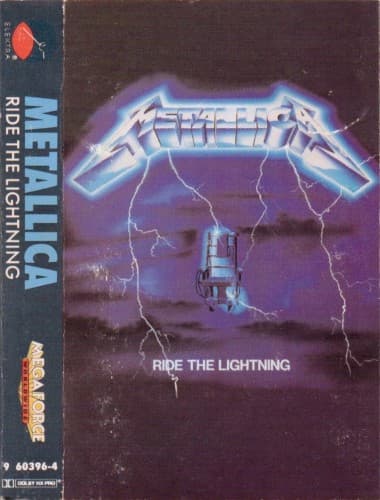
Metallica Ride the Lightning — Thrash Finds Its Architecture
Ride the Lightning argues that thrash metal could build songs instead of just accelerating them. Metallica's second album, recorded in three weeks at Sweet Silence Studios with Flemming Rasmussen, replaced the one-dimensional speed of Kill 'Em All with songs that shift tempos, layer acoustic guitars over distorted riffs, and stretch past eight minutes without repeating a single idea. Bassist Cliff Burton taught James Hetfield the basics of music theory between the two records, and the result is an album where countermelodies support the main riffs and songs develop through distinct sections rather than variations on a verse. The acoustic intro on the opening track and the chromatic bass line on the third song signal the change in the first ten minutes: Metallica learned how harmony works and applied it to songs about nuclear annihilation and the horror of modern warfare.
The album's thesis is that thrash metal could be as musically ambitious as progressive rock without losing the aggression that defined the genre, and seven of the eight tracks prove it. The band wrote half the material in Copenhagen during the sessions, working from riff tapes recorded during Kill 'Em All tour soundchecks, and the creative pressure shows in both the album's strengths and its one significant failure.
Released on Megaforce and reissued by Elektra, Ride the Lightning sold 85,000 copies in Europe by year's end and eventually moved six million in the United States with virtually no radio exposure. It reset the standard for what thrash metal songwriting could accomplish, and every ambitious metal album that followed had to reckon with it.
Riffs That Resolve and Tempos That Earn Their Changes
The songwriting on Ride the Lightning works because the riffs resolve into phrases instead of cycling endlessly, and because tempo changes happen for structural reasons rather than as displays of technical ability. Burton's influence is audible in how the guitars move: Hetfield builds songs around call-and-response patterns between rhythm and lead, and uses acoustic guitars to establish harmonic foundations before the distortion enters. The major-key acoustic passage opening "Fight Fire with Fire" sets up a tonal center that the tremolo-picked thrash riffs pull against, and the contrast makes both sections heavier. The same principle governs "Fade to Black," where the acoustic arpeggios and electric lead guitar establish a melodic theme that the song's heavier second half develops rather than abandons. Burton's bass playing adds a third melodic line on "For Whom the Bell Tolls" and "The Call of Ktulu," turning the instrumental sections into conversations between three distinct voices instead of guitar solos over a rhythm section. The chromatic riff that opens "For Whom the Bell Tolls" is Burton's bass run through distortion and a wah pedal, and it defines the song's martial tone before Hetfield's rhythm guitar enters.
The album's tempo shifts feel earned because they follow the lyrical narrative. "Ride the Lightning" begins at a mid-tempo that mirrors the prisoner's dread, then accelerates as the execution approaches, and the structure makes the story audible without the lyrics. "Fight Fire with Fire" moves from its acoustic intro to the fastest tremolo picking Metallica had recorded, and the jump from calm to chaos mirrors the song's nuclear war theme. The extended instrumental "The Call of Ktulu" builds tension across eight minutes by layering riffs in stages: a two-minute bass solo over a rhythmic pattern, a melodic lead section, and a final galloping riff that resolves the D minor progression from the intro. The pacing holds because each section introduces a new idea rather than restating the previous one. Kirk Hammett's solos on "Fade to Black" and the title track develop melodies across multiple passes instead of running scales, and the restraint makes the faster passages hit harder.
Flemming Rasmussen's production captures the warehouse reverb on Lars Ulrich's drums and the clarity of Burton's bass tone, but the three-week recording schedule left some passages muddy. The mix buries the rhythm guitar on "Trapped Under Ice" under the drums during the fastest sections, and the layered guitars on "Fade to Black" blend together in the final solo where separation would have served the counterpoint better. Rasmussen taught Ulrich basic timing concepts during the sessions, correcting the drummer's tendency to speed up mid-song, and the improvement is audible when compared to the looser tempos on Kill 'Em All. The decision to record drums in an unsoundproofed warehouse gave the album a live room sound that later thrash records would spend years trying to replicate in proper studios.
The weakness is "Escape," written under label pressure to create a radio single. The song's verse-chorus-verse structure and lighter riffs feel like an attempt to sand down Metallica's edges, and the result satisfied no one: too conventional for thrash fans, too heavy for rock radio. Hetfield has called it his least favorite Metallica song, and the band performed it live only once in nearly forty years. The track breaks the album's momentum between "Trapped Under Ice" and "Creeping Death," and its failure clarified what Metallica would not compromise on future records.
How the Album Earns Its 48 Minutes
Ride the Lightning sequences its eight tracks to build tension across two sides, with the strongest material placed at the beginning and end and the weaker songs buried in the middle where they do the least damage. The opening track moves from acoustic fingerpicking to the fastest thrash Metallica had recorded and ends with a sound effect of a nuclear explosion. The next three tracks sustain that intensity through different approaches: tempo acceleration, martial stomp, and dynamic range that proved thrash metal could support a power ballad structure. By the time side one ends, Metallica has demonstrated four distinct songwriting methods and earned the listener's attention for the rest of the album.
Side two sags in the middle. The first stretch is a competent speed-picked thrasher about cryonic freezing, but it repeats ideas from the opener without adding new ones, and the next song stalls the momentum entirely with its radio-rock structure. The album recovers with a mid-tempo chant that builds to a full-speed moshpit anthem, and closes with the eight-minute instrumental The Call of Ktulu. The decision to end with an instrumental was risky when thrash metal had no established template for extended compositions, but the song justifies its length by developing three distinct melodic themes and resolving them in the final section.
The sequencing makes the runtime feel earned despite the weak middle stretch, because the peaks are high enough and varied enough to carry the album through its valleys. The length would become a problem on later records, but here the band had just enough material to fill the space.
The Album That Gave Thrash a Blueprint
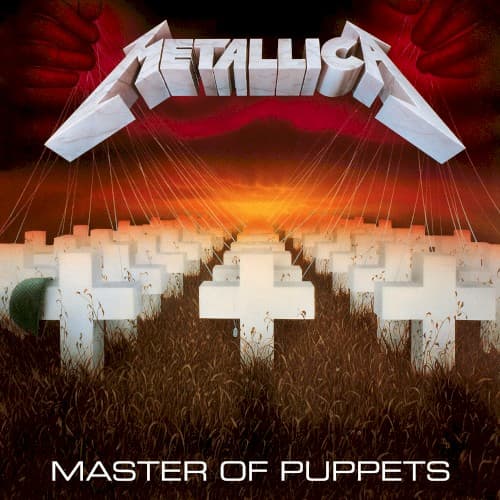
Ride the Lightning ranks second in Metallica's catalog behind Master of Puppets, which refined this album's approach with tighter songwriting and a bigger production budget. Where Master of Puppets eliminated the filler and pushed every song to its full potential, Ride the Lightning still carries "Escape" and the less essential "Trapped Under Ice," and the rushed recording left some mixes muddy where clarity would have helped. But Ride the Lightning got there first, and it established the template that Master of Puppets followed: songs built on tempo shifts and harmonic development, lyrics that addressed real subjects instead of heavy metal clichés, and instrumentals that justified their length. This is the album where Metallica became more than a fast thrash band, and every ambitious metal record that followed had to answer to it.
The album is essential for anyone interested in thrash metal's development or in how Metallica became the genre's defining band. It works for listeners who want aggression and for those who want musical sophistication, because it delivers both without compromise. The songwriting on "Fade to Black," "For Whom the Bell Tolls," and "The Call of Ktulu" influenced not just thrash but progressive metal and melodic death metal, genres that did not exist when the album was recorded. It has aged better than most 1984 metal records because the songs were built to last rather than to capture a moment, and because Burton's bass playing and Hammett's lead guitar gave the arrangements a depth that still reveals new details on repeat listens.
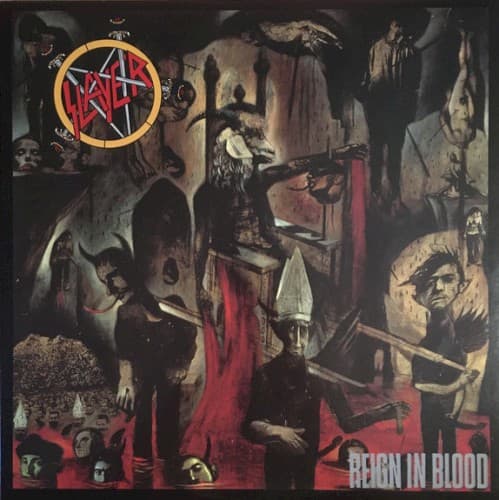
Start with "Fight Fire with Fire" to hear the album's range compressed into four minutes, then move to "For Whom the Bell Tolls" for the martial riff and Burton's bass tone, and finish with "Fade to Black" to understand how Metallica expanded thrash metal's emotional palette. Skip "Escape" unless you are a completist. For the next album, Master of Puppets takes this blueprint and executes it with no weak tracks. For a different approach to thrash metal songwriting in the same era, Slayer's Reign in Blood offers pure speed and aggression with no ballads or acoustic passages, and the contrast clarifies what made Metallica distinct.
Track by track
Track Listing
Fight Fire With Fire
StandoutThe album's thesis statement compressed into four minutes: an acoustic intro in a major key, a sudden shift to the fastest tremolo-picked thrash Metallica had recorded, and a fade-out that dissolves into a nuclear explosion sound effect. The song works because the acoustic passage establishes a tonal center that makes the distorted riffs feel heavier by contrast, and because the lyrics about mutually assured destruction match the music's structure of calm destroyed by violence. Hetfield's rhythm guitar on the verse riffs is nimble enough to sustain the speed without losing clarity, and Hammett's extended solo builds to the blast that ends the track. The main riff came from a Kill 'Em All tour soundcheck tape, and Burton contributed the acoustic intro. The song set a new standard for how fast thrash metal could be played cleanly, and it remains one of the genre's defining tracks.
Ride the Lightning
StandoutThe album's first exploration of criminal justice, told from the perspective of a death row inmate awaiting execution for a crime he did not commit. The song begins at a mid-tempo and accelerates as the execution approaches, and the tempo shift makes the narrative audible without the lyrics. One of two tracks that credit Dave Mustaine, whose original riff was simplified during the sessions. Hammett's solo in the instrumental bridge develops a melodic theme instead of racing through scales, and the restraint makes the faster sections hit harder. Hetfield has clarified that the song is not a statement on capital punishment but a story about injustice, and the distinction matters: the lyrics focus on the prisoner's helplessness rather than making a political argument. The structure foreshadows Metallica's later long-form compositions, where tempo changes follow emotional arcs.
For Whom the Bell Tolls
StandoutThe album's most immediately recognizable track, built on a chromatic bass line that most listeners assume is an electric guitar but is actually Burton's bass run through distortion and a wah pedal. Burton wrote the intro before he joined Metallica, and it defines the song's martial tone: a slow, heavy march that mirrors the Hemingway novel's depiction of soldiers walking toward death. The main riff is a mid-tempo stomp with a call-and-response structure between Hetfield's rhythm guitar and Burton's bass, and the arrangement gives both instruments equal weight. The bell tolling at the beginning was recorded in the studio, not sampled. The lyrics paraphrase Hemingway's themes about the dishonor of modern warfare, and the song's structure supports the subject matter by refusing to rush. This is the track that proved Metallica could write a slow, heavy song that hit as hard as their fastest material, and it remains a setlist staple nearly forty years later.
Fade to Black
StandoutThrash metal's first power ballad, written after the band's gear was stolen before a Boston show in January 1984. Hetfield channeled the frustration and powerlessness into lyrics about suicide, and the music matches the theme: an acoustic guitar intro overlaid with a melodic lead, a gradual build in intensity, and a climax with multi-layered guitar solos. The song's structure foreshadows "Welcome Home (Sanitarium)," "One," and "The Day That Never Comes," all of which follow the same pattern of quiet intro, dynamic build, and heavy conclusion. The arpeggiated chords and restrained vocals disappointed some thrash fans who expected relentless speed, but the song's commercial and critical success validated Metallica's willingness to expand the genre's emotional range. Hammett's final solo is the album's most melodically developed, with multiple guitar tracks playing complementary lines instead of a single lead. The song was released as a promotional single in phosphorescent green, and it remains one of Metallica's most covered tracks. The decision to write a ballad about a real emotion rather than a generic power ballad theme set Metallica apart from their peers.
Trapped Under Ice
SolidA speed-picked thrasher about a person waking from cryonic freezing with no hope of rescue, built on a galloping riff that echoes "Fight Fire with Fire" without adding new ideas. The song was inspired by Exodus's demo track "Impaler," and the influence is audible in the riff structure and tempo. Competent but not essential, and the lyrics about impending doom in a frozen state never develop beyond the premise stated in the first verse. The track serves as a palate cleanser between the emotional weight of "Fade to Black" and the ill-advised radio rock of "Escape," but it does not justify repeat listens the way the album's stronger material does.
Escape
WeakThe album's only outright failure, written under label pressure to create a radio single. Originally titled "The Hammer," the song features lighter riffs, a conventional verse-chorus structure, and an intro with a counterpoint bass melody that cannot save the track from feeling like a compromise. Hetfield has called it his least favorite Metallica song, and the band has performed it live only once, at the 2012 Orion Festival while playing the album in full. The song was influenced by album-oriented rock bands like Journey and Foreigner, and the result satisfied neither rock radio programmers nor thrash fans. It breaks the album's momentum between two lesser tracks, and its failure clarified what Metallica would refuse to compromise on Master of Puppets. Skip this one.
Creeping Death
StandoutA moshpit anthem built on the story of the ten plagues visited on Egypt before the Passover, with lyrics that describe the death of the firstborn from the perspective of the plague itself. The title came from a scene in The Ten Commandments that the band watched at Burton's house, and the song's structure matches the biblical epic scale: a mid-tempo build, a faster main riff, and a bridge with a chanted "Die, by my hand!" that was originally written by Hammett for his previous band Exodus. The song is one of the album's most durable, with the chant still prompting audience participation at live shows decades later. The production captures the layered vocals on the bridge and the clarity of the main riff, and the song's pacing makes the six-minute runtime feel earned. Released as a single with B-sides of Diamond Head's "Am I Evil?" and Blitzkrieg's "Blitzkrieg," the track helped Metallica gain traction on rock radio despite its thrash metal aggression.
The Call of Ktulu
StandoutAn eight-minute instrumental inspired by H.P. Lovecraft's The Shadow over Innsmouth, introduced to the band by Burton. Tentatively titled "When Hell Freezes Over," the track begins with a D minor chord progression written by Mustaine, who later reused the structure on Megadeth's "Hangar 18." The song builds tension by layering riffs in stages: a two-minute bass solo over a rhythmic pattern, a melodic lead section, and a galloping final riff that resolves the intro's chord progression. The pacing holds because each section introduces a new idea rather than restating the previous one, and the absence of vocals forces the arrangement to develop through instrumental conversation between the three instruments. Burton's bass solo in the opening section defines the song's tone, and Hammett's lead guitar in the middle section adds melodic themes that the rhythm section supports. Conductor Michael Kamen rearranged the piece for Metallica's 1999 S&M project and won a Grammy for Best Rock Instrumental Performance. The decision to close the album with an instrumental was risky in 1984, when thrash metal had no template for extended compositions, but the song justified its length and proved that Metallica could sustain a listener's attention without vocals or lyrics.