
From Bay Area Basements to Global Metal Dominance
Metallica emerged from the San Francisco Bay Area thrash metal underground in 1981, when drummer Lars Ulrich placed an ad seeking musicians influenced by the New Wave of British Heavy Metal. What began as a scrappy quartet rehearsing in a garage transformed into the most commercially successful metal band in history, selling over 125 million albums worldwide without sacrificing the aggression that defined their early work. Founding members James Hetfield and Ulrich built the band alongside lead guitarist Kirk Hammett and bassist Cliff Burton, establishing a lineup that would define thrash metal's golden era.
The band's significance extends beyond sales figures. Metallica proved that uncompromising heavy music could achieve mainstream acceptance without fundamental artistic compromise. They bridged the gap between underground credibility and arena-scale production, influencing everyone from extreme metal purists to alternative rock bands. Their 1991 self-titled album brought metal to MTV and radio formats that had previously shut out the genre, opening doors for an entire generation of heavy bands. Even after multiple stylistic shifts and lineup changes, Metallica remains the reference point against which all subsequent metal bands measure commercial and artistic ambitions.
Precision Thrash: The Metallica Sound Blueprint
Hetfield's rhythm guitar work defines Metallica's sonic identity more than any single element. His downpicking technique—maintaining relentless sixteenth-note patterns at high tempos—creates the mechanized precision that separates Metallica from looser, punk-influenced thrash contemporaries. Listen to the main riff from Master of Puppets: that chugging, palm-muted attack requires stamina and technical discipline that became the band's trademark. Hetfield's vocal delivery evolved from the snarl of early albums into a more melodic bark, always prioritizing clarity and rhythmic punch over technical range. His phrasing locks tightly with Ulrich's drum patterns, creating a unified percussive assault.
The band's production aesthetic shifted dramatically across eras. Early albums like Kill 'Em All featured raw, garage-band energy with audible room ambience. Producer Flemming Rasmussen brought clarity and power to the mid-80s trilogy, capturing the band's live intensity while adding layered guitar harmonies and dynamic arrangements. The Bob Rock era, beginning with the Black Album, introduced radio-friendly production: compressed drums, scooped midrange guitar tones, and vocal treatments that emphasized Hetfield's melodic capabilities. Later albums explored everything from bare-bones garage rock (St. Anger's infamous snare sound) to progressive complexity (the orchestral arrangements of S&M). This willingness to reshape their sonic palette—sometimes controversially—prevented stagnation even when artistic results varied.
Four Decades of Evolution: Metallica's Career Trajectory
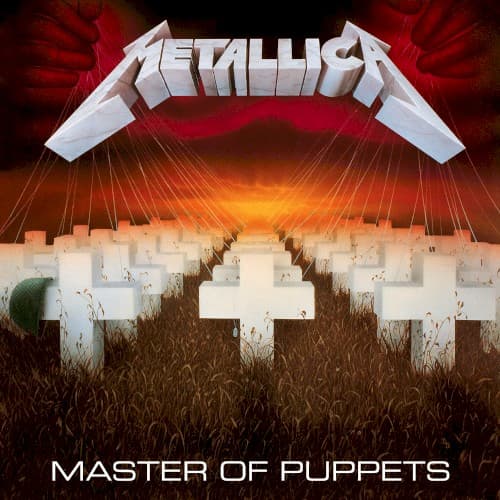
The band's first three albums established thrash metal's template. Kill 'Em All channeled the speed and aggression of Motörhead and Diamond Head into something distinctly American. Ride the Lightning added compositional ambition, incorporating acoustic passages and conceptual lyrics that elevated the genre beyond simple speed worship. Master of Puppets represented the pinnacle of this approach: eight-minute epics with multiple tempo changes, thematic depth exploring addiction and manipulation, and production that captured both raw power and musical sophistication. The album's title track remains the band's signature composition—a masterclass in building tension through tempo shifts and dynamic contrast, anchored by one of metal's most recognizable main riffs.
Cliff Burton's death in a 1986 tour bus accident marked the first major turning point. His replacement, Jason Newsted, brought technical proficiency but couldn't replicate Burton's compositional influence or the musical chemistry that defined the early albums. ...And Justice for All reflected this transition: compositionally complex to the point of indulgence, with notoriously thin production that buried Newsted's bass in the mix. The album's progressive tendencies hinted at creative restlessness, setting up the dramatic reinvention that followed.
The 1991 self-titled album—universally known as the Black Album—remains the band's defining commercial statement. Producer Bob Rock pushed for shorter, hookier songs with radio-friendly arrangements. "Enter Sandman" and "Nothing Else Matters" became cultural phenomena beyond metal's traditional boundaries. Purists accused the band of selling out, but the album's success was undeniable: 16 million copies sold in the United States alone. The production, featuring layers of guitar overdubs and carefully crafted vocal melodies, established a new standard for heavy music in mainstream contexts. Metallica proved that accessibility and heaviness weren't mutually exclusive.
The Load and ReLoad era tested fan loyalty. The band adopted shorter haircuts, experimented with alternative rock influences, and explored bluesy, groove-oriented songwriting that abandoned thrash's speed and precision. These albums divided the fanbase sharply—some appreciated the band's refusal to repeat themselves, while others saw abandonment of core identity. St. Anger pushed further into controversy with its raw, unpolished production and absence of guitar solos. The album documented a band in crisis, with Newsted's departure and Hetfield's rehab stint creating genuine uncertainty about Metallica's future.
Death Magnetic marked a conscious return to thrash roots, with producer Rick Rubin encouraging longer song structures and aggressive riffing reminiscent of the 1980s work. Hardwired... to Self-Destruct continued this trajectory while incorporating the tighter songwriting discipline learned during the commercial peak. Recent years have seen the band embrace their legacy status, collaborating with symphony orchestras and headlining festivals worldwide. Bassist Robert Trujillo, who joined in 2003, brought technical versatility and stage presence that revitalized the band's live performances.
Metallica's Enduring Impact on Metal and Beyond
Metallica's influence permeates every corner of heavy music. They demonstrated that underground metal could achieve mainstream success without compromising sonic intensity, opening pathways for bands from Pantera to Lamb of God. The precision thrash style they pioneered—tight rhythm section interplay, palm-muted riffing, and compositional ambition—became the foundation for countless subgenres. Without Metallica's success, the entire infrastructure of modern metal touring, record deals, and media coverage might not exist. They forced the music industry to take heavy music seriously as a commercial proposition.
Beyond musical influence, Metallica changed how metal bands approach their careers. Their battle against Napster, though controversial, forced conversations about artist compensation in the digital age. Their willingness to experiment and risk fan backlash—whether through symphonic collaborations or stylistic reinventions—normalized artistic evolution within a genre often resistant to change. The band's longevity itself serves as a blueprint: lineup stability (three of four members have been together since 1983), strategic reinvention, and constant touring have kept them relevant across five decades. Few metal bands have navigated the balance between artistic integrity and commercial ambition as successfully, making Metallica both a commercial juggernaut and a touchstone for underground credibility debates that continue to shape metal culture.