The scorecard
8.3/10 · Great
- Songwriting25%
- 8.5
- Sound25%
- 8.0
- Performance15%
- 9.0
- Cohesion15%
- 7.5
- Originality10%
- 8.0
- Replay value10%
- 8.5
Prison Song and Chop Suey! pack multiple song structures into three minutes without losing momentum, though Shimmy and Bounce show the band's novelty instinct overwhelming the ideas.
Rick Rubin's hands-off approach lets the band's schizoid dynamics breathe, but the mix buries some of Malakian's rhythm guitar work under Tankian's multi-tracked vocals.
Tankian moves from operatic crooning to death-metal bark to deadpan speak-singing within single verses, selling absurdist lyrics about tapeworms and groupies with total conviction.
The album front-loads its strongest songs and maintains energy through Science, but the final stretch from Shimmy to Psycho sags before Aerials rescues the close.
The sitar-laced prog detours and Armenian folk melodies were unprecedented in nu metal in 2001, though the start-stop riffing and hip-hop rhythms were genre standard by then.
The hooks in Deer Dance and Toxicity hit harder on repeat listens as the arrangements reveal new details, and the album's brevity keeps the novelty tracks from wearing thin.
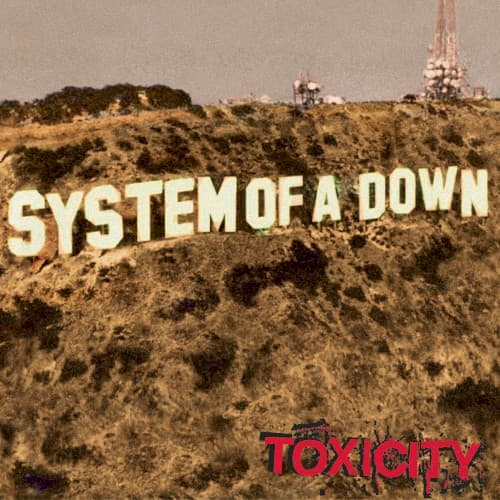
System of a Down Toxicity — Nu Metal Discovers Structure
Toxicity answers the question nu metal spent the late nineties avoiding: what happens when a genre built on chaos learns to write actual songs. System of a Down's second album takes the spastic energy and political rage of their 1998 debut and runs it through Beatles harmonies, Armenian folk intervals and prog-rock song construction, producing three-minute tracks that contain more ideas than most bands fit on full albums. The result is the only nu metal record that sounds like it was written rather than assembled from parts, where the stop-start riffing serves composed melodies instead of replacing them. Released on September 4, 2001, just days before the attacks that would temporarily pull Chop Suey! from radio, the album sold 220,000 copies in its first week and eventually moved seven million in the United States alone. Those numbers reflect genuine crossover appeal, not just genre loyalty, because Toxicity builds a bridge between aggression and melody that most metal bands in 2001 were not attempting.
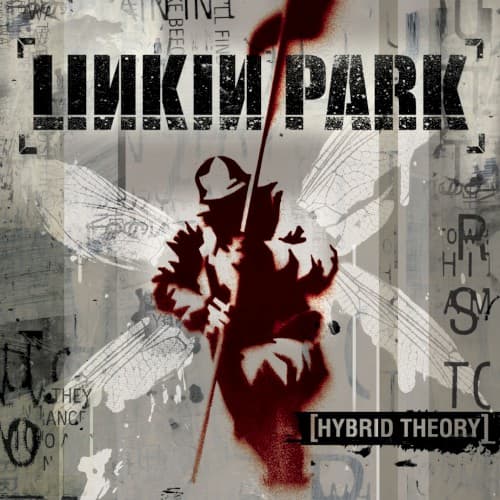
The thesis here is straightforward: this is nu metal that respects the song as a unit, where Daron Malakian writes riffs that develop and Serj Tankian's vocal acrobatics follow melodic logic rather than just venting. The album has weaknesses, chiefly a middle section where the band's absurdist humor tips into novelty and a sequencing choice that clusters the filler, but the core tracks justify the acclaim. What separates Toxicity from its peers like Linkin Park is not the political content or the genre-hopping, both common enough in 2001, but the discipline: fourteen songs in forty-four minutes, almost all of them structured around hooks that reveal more on repeat listens. The genre had faster drummers, heavier breakdowns and angrier vocalists, but it did not have better songwriters.
Controlled Chaos with Actual Melodies Underneath
The songwriting works because Malakian understands that strange time signatures and sudden tempo shifts mean nothing without melodic payoffs. Prison Song opens the album with a thrash-speed verse in 6/8 that lands on a sung chorus, the kind of structural clarity that was rare in nu metal's formative years. Deer Dance does the same trick in reverse, building from a near-whispered verse to a hardcore sprint, both sections locked to a central riff that holds the song together.
Chop Suey! became the single because it demonstrates the method in miniature: the verse is a piano-driven meditation, the pre-chorus is a scream, the chorus is a harmony-stacked plea, and all three sections share a melodic through-line. The song contains four distinct moods in three and a half minutes and never feels rushed because each transition is written, not improvised. This is composition, not just energy management.
Malakian's guitar work throughout the album favors dissonance and odd intervals drawn from Armenian folk music, giving the riffs an off-kilter quality that separates them from the drop-tuned chugging that defined the genre. The sitar on Aerials is the most obvious example, but the melodic language is present in subtler forms on Toxicity and ATWA, where the vocal lines trace intervals that sound neither major nor minor. The production, recorded at Cello Studios in Hollywood with no credited producer listed beyond the band, keeps the sound raw and direct. The guitars are dense but not overly processed, the drums are close-miked and punchy, and Tankian's vocals sit slightly forward in the mix, emphasizing the melodies. Some of Malakian's rhythm guitar detail gets buried under the vocal layers, particularly in the busier arrangements like Science, but the clarity serves the songs more than a metal-standard wall of sound would have.
Tankian's vocal performance is the other half of the equation. He shifts from operatic crooning to death-metal growls to deadpan spoken-word delivery, often within the same verse, and the range never feels like a gimmick because the melodies justify the shifts. On Forest, he moves from a near-falsetto in the verses to a baritone growl in the bridge, both modes serving a melody that stays coherent. The lyrics veer between direct political commentary (Prison Song's statistics on incarceration) and surrealist imagery (Needles comparing heroin addiction to a parasitic tapeworm), but the vocal conviction sells both approaches. The weak points are the tracks where the band prioritizes novelty over development: Bounce is a minute-fifty joke about group sex with no melodic hook to justify its existence, and Shimmy is a rhythmic exercise that goes nowhere. These are the album's only outright filler, and their brevity keeps them from derailing the flow, but their presence is the clearest sign that the band recorded over thirty songs and did not edit ruthlessly enough.
Front-Loaded Peaks and a Mid-Album Sag
The sequencing is smart for the first half and careless after that. The opening stretch establishes the album's political intent and musical ambition immediately, sustaining momentum through three of the strongest tracks. The single arrives at track six, a deliberate choice to reward listeners who make it past two brief sub-two-minute experiments that work as palate cleansers.
The problem arrives in the middle section, where the album clusters its weakest material. One track has a solid melodic idea but stretches it thin, another is a serviceable rocker with no standout moments, and a third is the album's only genuinely skippable entry. Grouping these three consecutively creates a sag that the album struggles to recover from, even as the closing stretch lands strong.
The title track and the closer both demonstrate the band at full strength, the former building a hypnotic groove around a two-note bass line and the latter layering sitar over a genuinely beautiful chord progression. A novelty track about groupies sits between them and undermines the momentum, but its shorter runtime makes it less of an obstacle than the earlier weak stretch. The album would have been stronger at twelve tracks, cutting three entries entirely, but even at fourteen songs and forty-four minutes it does not overstay its welcome. The brevity is a feature: nu metal in 2001 was prone to hour-long slogs, and this record proves that the genre's energy works better in concentrated doses. The pacing is uneven, but the peaks are high enough to justify the valleys.
The Genre's Songwriting Peak, Filler and All
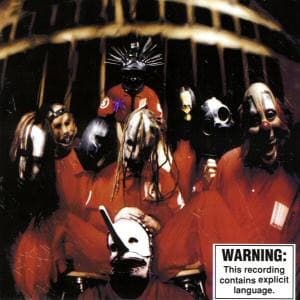
Toxicity is the best-written album nu metal produced, the one record from the genre's commercial peak that treats songs as something more than delivery systems for breakdowns and screams. It sits above the self-titled debut in ambition and execution, with better production and more confident melodic ideas, though the debut's raw energy and the novelty of the band's approach give it a different kind of impact. Fans looking for the heaviest or most aggressive System of a Down should start with the self-titled; fans looking for the best songs should start here. The album has aged well in the two decades since release, both because the songwriting holds up and because the political content (mass incarceration, CIA election interference, environmental collapse) has only become more relevant. The production sounds dated in the best sense, placing the album clearly in its moment without sounding cheap or gimmicky.
For listeners new to the band, start with Chop Suey!, Deer Dance and Aerials, the three tracks that best demonstrate the range and the discipline. For those already familiar with the hits, Prison Song and Toxicity show the band at their most focused, delivering political rage and hypnotic grooves without the absurdist detours. Skip Shimmy and Psycho unless you are committed to hearing the full album. The next logical step after Toxicity is the 2002 follow-up Steal This Album!, which collects some of the thirty-plus songs recorded during these sessions and shows the band leaning harder into experimentation, though with diminishing returns. Toxicity remains the sweet spot where System of a Down's ambition, discipline and raw talent aligned, producing an album that rise above its genre while defining it. Nu metal had heavier records, stranger records and angrier records, but it never had a better-written one.
Track by track
Track Listing
Prison Song
StandoutThe strongest opener the band ever recorded, Prison Song makes its case in the first ten seconds with a thrash-speed riff in 6/8 that refuses to settle into a predictable groove. Tankian delivers statistics about American incarceration over a verse that sounds like it is about to fly apart, then lands on a sung chorus that clarifies the structure. The song addresses mandatory minimum sentencing and CIA drug money rigging foreign elections, heavy subject matter delivered with enough musical invention to avoid sounding like a lecture. The transitions between the rapid-fire verses and the melodic chorus are abrupt but deliberate, demonstrating the band's ability to write songs that contain multiple moods without losing coherence. The bass and drum pocket in the breakdown is one of the album's tightest moments, proof that the chaos is controlled. This is the template for everything that follows: political rage channeled through composed structures rather than just vented.
Needles
StandoutA three-minute horror story about heroin addiction that compares drugs to a tapeworm, Needles builds its verse around a descending chromatic riff that sounds diseased. Tankian's vocal in the chorus moves from a sing-song melody to a scream within two bars, selling the metaphor without overplaying it. The song's dynamic range is extreme, from the nearly silent bridge to the full-band assault in the final minute, and the shifts feel organic rather than forced. The lyrics are surrealist but the disgust is clear, and the musical claustrophobia reinforces the subject matter. Malakian's guitar tone here is thinner and more dissonant than on the heavier tracks, a deliberate choice that serves the song's queasy mood.
Deer Dance
StandoutThe album's most relentless two minutes fifty-four seconds, Deer Dance documents the police crackdown at the 2000 Democratic National Convention with a verse-chorus structure that moves from whispered menace to hardcore sprint. The verse riff is a single-note pulse that builds tension, and the release when the song explodes into the chorus is one of the album's most visceral moments. Tankian's delivery in the spoken-word verses is deadpan and cold, describing pushed-back protestors and riot squad presence with reportorial distance, then erupts into rage in the chorus. The song never wastes a second, moving between its two modes with precision and ending before it has time to wear out the idea. The drumming is ruthlessly tight, holding the tempo shifts together.
Jet Pilot
SolidA two-minute speed-metal throwback that serves as a breather between the album's opening statement and the experimental detour of X. The lyrics are absurdist nonsense about wired and hired pilots, delivered at thrash velocity over a straight-ahead riff that could have appeared on a Slayer record. The song has no ambition beyond energy, and it succeeds on that limited terms, but it adds nothing to the album's argument. Functional filler that does not overstay its welcome.
X
SolidThe album's strangest and least successful experiment, X is a sub-two-minute track that strips away all the metal elements in favor of acoustic guitar, hand percussion and Tankian's least convincing vocal melody. The song gestures toward the Armenian folk influences that inform the album's melodic language, but the execution is tentative and the abrupt ending makes it feel like a sketch rather than a finished idea. It works as a palate cleanser before Chop Suey!, but only because it is short enough to not disrupt the flow.
Chop Suey!
StandoutThe single that defined the band for the mainstream, Chop Suey! earned its ubiquity by packing more ideas into three and a half minutes than most nu metal bands managed on full albums. The song opens with a piano-driven verse that sounds like a completely different band, then detonates into a scream, then resolves into a harmony-stacked chorus that borrows from gospel and Broadway in equal measure. All three sections share a melodic through-line, and the transitions between them are written with enough care that the song never feels like a medley. Tankian's performance here is definitive, moving between whispered confession, guttural roar and operatic plea with total commitment. The lyrics address drug addiction by taking something serious and making it quacky, in the band's own words, and the approach works because the music earns the tonal shifts. The song was temporarily pulled from radio after the September 11 attacks due to lyrics deemed inappropriate, a ridiculous overcorrection that only increased its eventual impact. This is the best argument for System of a Down as songwriters rather than just provocateurs.
Bounce
WeakA minute-fifty joke about group sex with no melodic hook and no reason to exist. The song is a rhythmic exercise, and the groove is solid, but there is no development and no payoff. Tankian delivers the pogo-pogo-pogo chant with the same conviction he brings to the political material, which only makes the novelty more glaring. The album's weakest moment.
Forest
StandoutA four-minute showcase for Tankian's vocal range, Forest moves from near-falsetto verses to baritone-growl bridges over a riff that shifts between clean arpeggios and distorted chugging. The song addresses environmental destruction with the same surrealist imagery the band applies to drug addiction elsewhere, and the melodic progression is strong enough to support the extended runtime. The bridge, where Tankian drops into his lowest register over a half-time breakdown, is one of the album's most dynamic moments. The song earns its length by developing its ideas instead of repeating them, a trick the band does not always manage elsewhere on the record.
ATWA
SolidAn acronym for Air, Trees, Water, Animals, ATWA addresses Charles Manson's environmental beliefs over a mid-tempo groove that never finds a compelling hook. The song has a solid melodic idea in the chorus, but the verses meander and the nearly three-minute runtime stretches the material thin. Malakian's guitar work here is more textural than riff-driven, and the approach does not suit the song's relatively straightforward structure. The subject matter is provocative but the execution is flat.
Science
SolidA serviceable rocker with a memorable chorus melody and nothing else to distinguish it. The song critiques scientific reductionism with lyrics that are more direct than the band's usual surrealism, and the straightforward approach leaves the music with less room to be interesting. The riff is solid but generic, and the song ends before it has time to develop. Acceptable filler.
Shimmy
WeakThe album's only genuinely skippable track, Shimmy is a rhythmic exercise with no melodic content and no progression. The song repeats a single idea for a minute fifty and ends, contributing nothing to the album's flow or argument. Even by the band's standards for brevity, this feels like a sketch that should have stayed in rehearsal.
Toxicity
StandoutThe title track and one of the album's two best songs, Toxicity builds a hypnotic groove around a two-note bass line and a vocal melody that traces Armenian folk intervals. The song addresses disorder as a concept, both societal and personal, with lyrics that are abstract enough to support multiple interpretations. Tankian's delivery in the verses is almost conversational, letting the melody do the work, and the eruption into the chorus is perfectly timed. The guitar tone here is cleaner than on the heavier tracks, allowing the dissonant intervals to cut through the mix. The song's structure is deceptively simple, cycling through verse and chorus with minimal variation, but the melodic hook is strong enough to support the repetition. This is the clearest example of the band's ability to write songs that reveal more on repeat listens, where the strangeness of the intervals and the precision of the arrangement become more apparent over time.
Psycho
WeakAnother novelty track, this time about groupies, Psycho has a stronger melodic hook than Bounce but still feels like it is coasting on the absurdity of the subject matter. The song's energy is high and Tankian's delivery is committed, but the three-minute-forty-five runtime is too long for the limited idea. The placement between the title track and Aerials undermines the album's close, breaking the momentum just as the record is building toward its finale. Should have been cut.
Aerials / Arto
StandoutThe album's most beautiful and most ambitious song, Aerials closes the record with a chord progression that borrows from progressive rock and a sitar line that gives the arrangement an otherworldly quality. Malakian's sitar work here is tasteful and melodic, adding texture without overwhelming the song, and Tankian's vocal melody is the album's most purely pretty moment. The lyrics address perspective and transcendence, vague enough to be universal but delivered with enough conviction to feel specific. The song builds gradually, adding layers with each repetition of the chorus, and the final minute is the closest the album comes to genuine grandeur. The track went to number one on both the Mainstream Rock and Alternative charts, a rare case of the most ambitious song also being the most commercially successful. This is the band at their best, balancing melody and aggression, structure and experimentation, without sacrificing either. The perfect closer.