The scorecard
8.3/10 · Great
- Songwriting25%
- 8.5
- Sound25%
- 9.0
- Performance15%
- 8.0
- Cohesion15%
- 7.0
- Originality10%
- 8.0
- Replay value10%
- 8.5
Christian Woman and Black No. 1 sustain eleven and eight minutes respectively on riffs that know when to repeat and when to shift, while the title track builds from organ dirge to bulldozer crawl without one wasted bar.
Josh Silver's layered keyboards and samples create cavernous space around the guitars, the bass rumbles low enough to feel, and George Marino's mastering at Sterling Sound lets every frequency breathe without losing the crush.
Peter Steele's baritone carries conviction whether crooning or deadpan, Kenny Hickey's harmonies add texture, and Sal Abruscato's drumming shifts from blastbeats on Kill All the White People to funeral march without losing pocket.
The seventy-three minute runtime earns its length on the main songs, but the noise interludes Fay Wray Come Out and Play and Dark Side of the Womb break momentum where a tighter sequence would flow.
Merging Sabbath-descended doom with new wave melody, gothic atmosphere and self-aware humor produced a template nobody had combined this way in 1993, even if the parts themselves came from known sources.
The album holds up three decades later because the songs develop instead of loop: Christian Woman unfolds across four distinct movements, and Black No. 1 earns every minute of its eleven.
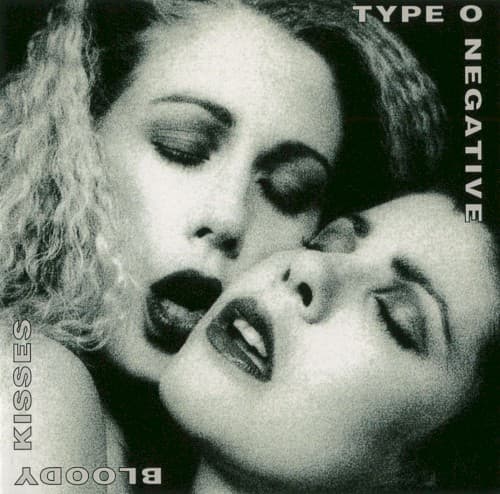
Type O Negative Bloody Kisses — Doom That Learned to Smile
Bloody Kisses works because it refuses to take doom metal's funeral march at face value. Where the genre's orthodoxy equates slowness with seriousness, Type O Negative's third album drags tempos to a crawl and then fills the space with deadpan jokes, new wave keyboards, and songs about goth girlfriends. The result is an album that sounds massive without pretending every riff carries cosmic weight, and melancholy without mistaking depression for depth. It is the first gothic metal record to go gold, then platinum, because it found an audience that wanted heaviness without humorlessness and atmosphere without the usual melodrama.
The album arrives in 1993 with a catalog behind it: two records that established Peter Steele's baritone and the band's sludge-paced doom, but neither with songs this fully realized. Bloody Kisses is the breakthrough because it commits to length only where the ideas justify it. Christian Woman sustains nearly nine minutes across four movements that build from organ drone to mid-tempo stomp; Black No. 1 stretches past eleven without repeating a section verbatim.
The weaker tracks stay under four minutes, and the noise interludes that break up the sequence are brief enough not to derail it. Recorded at Systems Two in Brooklyn and produced by Steele and keyboardist Josh Silver, the album uses studio layering to create depth: keyboards, samples, and extra vocals from Life of Agony members fill out arrangements that live bands could not replicate. The sound is huge because it uses all the available space, not because it turns everything up.
Riffs Built to Drag, Songs Built to Move
The songwriting here understands that doom metal's power comes from what happens between the downbeats, not just the weight of the riff itself. Christian Woman opens with two minutes of droning organ and whispered Latin before the first guitar enters, and when it does the tempo stays funereal while the melody moves. The song shifts through four named sections, each with its own harmonic shape, and the transitions feel inevitable rather than stitched together. Black No. 1 uses an eleven-minute runtime to develop a single idea: the verse riff's descending chromatic line gets inverted in the chorus, then restated in different tempos and textures until the song ends on the same figure it began with, now surrounded by enough context to sound like resolution. Too Late: Frozen and the title track work the same way, using repetition to build weight but varying the arrangement enough that the repetition never feels like stalling.
The weaker material shows up when the band tries to compress ideas into shorter forms or when they lean too hard on a single joke. Kill All the White People is a minute-long hardcore sprint that exists to provoke, and while the title makes the sarcasm clear, the music itself is just fast and loud without much to say. We Hate Everyone drags the same joke past six minutes: the riff is solid mid-tempo chug, but the lyric's misanthropy gimmick does not develop, and the song runs out of ideas halfway through its runtime. Set Me on Fire aims for brooding menace and lands on mid-album filler, with a verse riff that never quite locks in and a chorus that tries for anthemic and settles for loud.
Josh Silver's production balances the instruments so that nothing fights for space. The guitars stay mid-range and distorted but never so saturated they lose definition; the bass sits low enough to anchor the bottom without turning into sludge; the keyboards add texture, from church organs on Christian Woman to eerie synth pads on Can't Lose You, without crowding the riffs. George Marino's mastering at Sterling Sound ensures the mix translates across formats: the quietest moments on Blood & Fire stay audible, and the heaviest sections on Bloody Kisses hit hard without clipping. The drum sound is dry and direct, which works for Sal Abruscato's mid-tempo work but makes the faster sections on Kill All the White People sound thin. The album would benefit from more low-end punch in the kick drum, especially on tracks that rely on double bass for momentum.
Steele's baritone carries most of the vocal load, and his delivery splits the difference between crooning and spoken word. On Christian Woman he sings the verses straight, letting the melody do the work, and reserves the deadpan spoken sections for the interludes between movements. On Black No. 1 he underplays the sarcasm in the lyric, which makes the humor land harder: the song is funnier because he sings it seriously. Kenny Hickey's backing vocals add harmony on the choruses and occasional lead lines, particularly on the call-and-response sections of We Hate Everyone. The guest vocals from Life of Agony members thicken the choir parts on the title track and Blood & Fire, but they are mixed low enough that the record never sounds like it needs a crowd to work.
Seventy-Three Minutes That Mostly Earn Their Length
The album sequences its strongest material front and back, with a sag in the middle where the shorter tracks and noise interludes cluster. The first stretch opens with a forty-second intro of industrial clanking and distorted bass that sets a mood and gets out of the way. The opening run anchors the first half with nearly twenty minutes of the band's best songwriting, and the flow between major tracks is broken only by a one-minute noise collage that serves no function except to reset the listener's attention.
The middle stretch includes the album's widest stylistic range: a Seals and Crofts cover recast as goth doom, two mid-tempo rockers, a hardcore joke, and another noise interlude. The tonal whiplash is intentional, per Josh Silver's liner note comments about eclectic insanity, but it weakens the album's momentum. Listeners who want a more cohesive experience have the option of the 1994 digipak reissue, which removes the interludes and the hardcore tracks in favor of a single eight-minute piece, Suspended in Dusk, and resequences the remaining songs into a more uniform gothic crawl.
The final four tracks recover the focus. The back half closes with an eleven-minute centerpiece of organ-driven doom that uses dynamics instead of speed to create tension. The following track delivers a mid-tempo riff that could have come from Black Sabbath's Vol. 4, and the song's only weakness is that it does not know how to end: the final two minutes repeat the verse riff without adding anything new. The closing run winds down with melancholy rather than weight, both tracks dialing back the distortion in favor of clean guitars and layered vocals. The sequencing makes sense: after seventy minutes of slow tempos and low frequencies, the album needs to wind down rather than end on another crusher.
The Album That Made Gothic Metal Commercial Without Softening It
Bloody Kisses is the high point of Type O Negative's catalog, the record where their merger of doom, goth and self-aware humor cohered into songs that justify their length and production that serves the material. It ranks above everything that came before because the songwriting here is patient enough to let ideas develop, and it sets the standard for everything that followed because it proved the formula could work at this scale. The album has aged well because the humor never depended on topicality and the riffs were built to repeat: Christian Woman and Black No. 1 sound as heavy now as they did in 1993, and the keyboard textures that could have dated the record instead give it a specific sense of place.
This is the album for listeners who want doom metal that moves and gothic atmosphere without melodrama. It is not for purists who need their slow metal uncut by melody or humor, and it is not for listeners who want tight forty-minute statements: the full seventy-three-minute version includes detours that break the mood, and even the strongest tracks require patience.
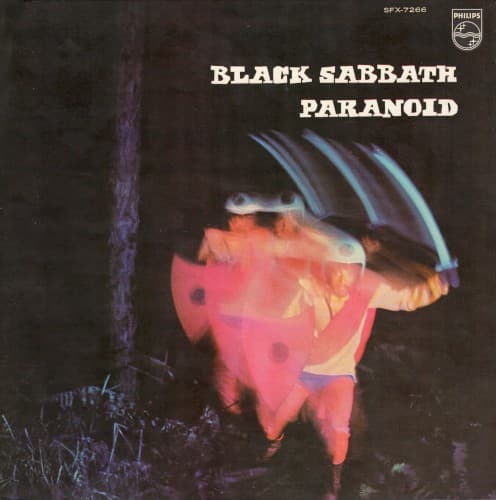
Start with Christian Woman to hear the band's scope, then Black No. 1 for their ability to sustain a single idea across eleven minutes. The title track shows how they use dynamics, and Too Late: Frozen demonstrates their Sabbath lineage. Listeners who finish those four and want more should hear October Rust next, the 1996 follow-up where the band leaned further into melody and away from the hardcore remnants that still surface here. For the fullest picture of what Bloody Kisses accomplished, compare it to Paradise Lost's Icon, released the same year: both albums made gothic doom accessible, but Type O Negative did it with a smirk instead of a scowl, and the difference is what made this one cross over.
Track by track
Track Listing
Machine Screw
SolidForty seconds of clanking industrial noise, distorted bass rumble and processed voices that sets a grimy, claustrophobic tone before the album proper begins. Does its job and exits.
Christian Woman
StandoutThe album's centerpiece and its strongest argument for length as a compositional choice. The song opens with two minutes of droning organ and whispered samples before the first guitar riff enters, and when it does the tempo stays locked in a funeral march while the melody unfolds across four named movements. The verse riff is a descending chromatic line over a steady bass pulse, and Steele's vocal melody moves in contrary motion, rising where the guitar falls. The first chorus lifts the tempo slightly and adds harmony vocals, then the song shifts into a clean-guitar interlude with choral chanting before the main riff returns, now heavier because of the contrast. The third movement strips back to bass and whispered vocals, building tension for the final section's bulldozer stomp. Every transition feels necessary, and the nine-minute runtime never sags because each section develops the song's harmonic and dynamic arc. The lyric's provocation, a woman fantasizing about sex with Jesus, works because Steele sings it straight instead of leering: the melody is beautiful enough that the words' blasphemy registers as genuinely transgressive rather than cheap shock. This is the template for everything the band does well: patient pacing, layered textures, and ideas that justify their length.
Black No. 1 (Little Miss Scare‐All)
StandoutAn eleven-minute ode to a goth girlfriend's narcissism and hair dye that earns every second by developing a single musical idea through variation and dynamics. The verse riff descends chromatically, the chorus inverts it into an ascending line, and the bridge restates both figures at half-tempo before the song cycles back. Instead of repeating these sections verbatim, the arrangement adds layers on each pass: the second verse brings in harmony vocals, the third chorus thickens the guitars, and the final verse drops to just bass and drums before the full band crashes back in for the outro. Steele's deadpan delivery makes the sarcasm land harder; he sings the verses like a love song, which makes the lyric's mockery more pointed. Hickey's co-lead vocals on the chorus add a second perspective without turning the song into a duet, and the interplay between the two voices gives the arrangement depth. The song works as both a character study and a riff workout, and the fact that it sustains eleven minutes without padding or instrumental wankery makes it the album's best case for patient songwriting. The only weakness is the fade-out, which arrives abruptly instead of resolving the harmonic progression.
Fay Wray Come Out and Play
WeakA one-minute collage of movie dialogue samples, distorted synth noise and processed screaming that breaks the momentum between Black No. 1 and Kill All the White People. Adds nothing to the album's flow.
Kill All the White People
WeakA three-minute hardcore sprint with a provocative title and no musical ideas beyond fast and loud. The riff is a simple thrash chug, the drums are straight blastbeat, and the joke wears out in the first thirty seconds. The song exists to provoke, and while the sarcasm is obvious, the music itself is filler.
Summer Breeze
StandoutThe Seals and Crofts soft-rock standard recast as slow-motion doom, with the original melody intact but the tempo dragged to a crawl and the arrangement drenched in reverb and distortion. The verses stay relatively clean, with acoustic guitar and Steele's crooning vocal, and the choruses add electric guitars and keyboards without speeding up. The contrast between the song's sunny lyric and the funereal arrangement creates an eerie, dissociative effect: the words describe a pleasant summer day, but the music sounds like the memory of one from a decade later. The cover works because the band commits to the bit instead of winking at the listener, and because the original melody is strong enough to survive the transformation. It is a minor piece in the album's arc, but it demonstrates the band's ability to reimagine familiar material in their own image.
Set Me on Fire
WeakA mid-tempo rocker with a verse riff that never quite locks in and a chorus that aims for anthemic and settles for merely loud. The song tries for menace but lands on filler, and at three and a half minutes it still feels like it is treading water. The weakest of the album's full band tracks.
Dark Side of the Womb
WeakTwenty-eight seconds of reversed vocals, distorted bass and eerie synth that serves no purpose except to separate Set Me on Fire from We Hate Everyone. Skippable.
We Hate Everyone
SolidA six-minute misanthropy anthem that runs out of ideas halfway through its runtime. The verse riff is solid mid-tempo chug, and the call-and-response vocals between Steele and Hickey add some dynamic interest, but the lyric's one-note sarcasm does not develop and the song just repeats the same sections until the fade. The riff is strong enough to carry three minutes; at nearly seven it is a slog.
Bloody Kisses (A Death in the Family)
StandoutThe album's title track and its most patient piece of songwriting, nearly eleven minutes of organ-driven doom that uses dynamics and space instead of speed to create tension. The song opens with two minutes of funereal organ, then introduces a bass riff so low it is almost subliminal, and only after the third minute does the first guitar enter. The verse is a slow, descending riff with Steele's vocal melody tracing a counter-line, and the arrangement stays sparse: organ, bass, a single guitar, and drums playing half-time. The first chorus adds a second guitar and harmony vocals, and the song builds gradually from there, adding layers on each pass through the verse-chorus cycle until the final section, where the full band plays the main riff at maximum volume. The buildup is patient enough that the payoff feels earned, and the song's ten-plus minutes never drag because each section adds something new. The lyric, a meditation on love and loss dedicated to the brokenhearted, is the album's most earnest moment, and Steele's delivery matches the tone: no sarcasm, no irony, just straightforward melancholy. This is the band at their most effective, using weight and repetition to create emotional heft without resorting to speed or complexity.
3.0.I.F.
WeakTwo minutes of sampled dialogue, industrial clanking and distorted bass that interrupts the album's final stretch. The title stands for a crude anatomical joke, and the track itself is just noise. Pointless.
Too Late: Frozen
StandoutA mid-tempo doom track with a verse riff that could have come from Black Sabbath's Vol. 4 and a chorus that adds a minor-key melody over the same chord progression. The song's main strength is its restraint: instead of pushing the tempo or adding layers, the arrangement stays locked in a steady chug and lets the riff do the work. Steele's vocal is buried slightly in the mix, which makes the melody harder to follow but gives the track a more ominous feel. The song's weakness is its ending: the final two minutes repeat the verse riff without variation, and the fade-out arrives before the song resolves its harmonic progression. At seven and a half minutes the length is justified by the riff's hypnotic pull, but a tighter edit would have made the track stronger.
Blood & Fire
StandoutA mid-tempo track that dials back the distortion in favor of clean guitars, layered keyboards and choral vocals. The verse riff is a simple two-chord progression, and the arrangement builds gradually by adding textures: first a clean guitar arpeggio, then organ, then distorted rhythm guitar, and finally the full band on the chorus. The song's main appeal is its atmosphere: the mix is spacious and the reverb is turned up high, which gives the track a cathedral-like resonance. The lyric is vague but earnest, and Steele's vocal melody is one of the album's catchiest. The song does not aim for heaviness and does not need it; it works as a dynamic breather between the title track and the album's closer.
Can’t Lose You
StandoutThe album's closer, a six-minute ballad built on clean guitars, sparse drums and Steele's most melodic vocal performance. The verse is a finger-picked arpeggio with a melancholy vocal line, and the chorus adds distorted guitars and a harmony vocal without speeding up the tempo. The song's restraint is its strength: instead of building to a climax, the arrangement stays quiet and lets the melody carry the emotional weight. The lyric is the album's most straightforward expression of loss, and Steele's delivery is unadorned, with no irony or distance. The song ends on a sustained organ chord that fades slowly, closing the album on a note of unresolved longing. It is a fitting conclusion to a record that uses space and patience as compositional tools, and it leaves the listener with the album's core mood: melancholy without self-pity, heaviness without bluster.