Style & Context
Influences
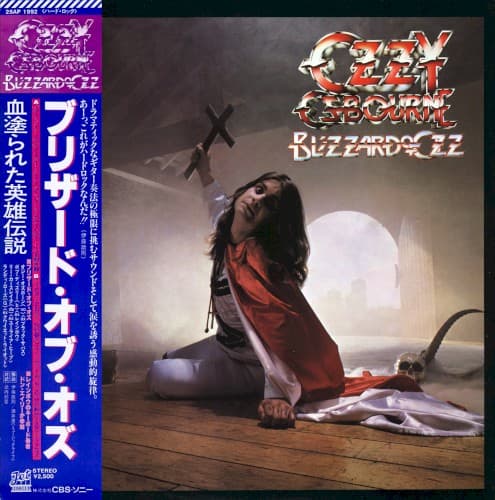
Gothic horror cinema, occult ritual imagery, glam rock theatricality
Location
This cover positioned Ozzy as metal's tragic anti-hero rather than Sabbath's expendable frontman amid changing scenes.
Visual Language
The composition borrows from both Hammer Films aesthetics and religious martyrdom paintings to create staged darkness.
Symbols
Dead white dove
The dove represents Ozzy's innocence and sanity sacrificed during his Sabbath years and personal struggles.
Circling bats
Bats symbolize the vampire imagery and nocturnal darkness that would define Ozzy's solo aesthetic.
Rising full moon
The moon signals transformation and lunacy, referencing both lycanthropy themes and mental instability narratives.
Where Sound Meets Image
The cover's gothic theatricality mirrors Randy Rhoads' neoclassical guitar flourishes that distinguished this album from Sabbath's blues-based doom. The sacrificial dove echoes Mr. Crowley's occult themes and Suicide Solution's darkness, while the bare staging reflects Crazy Train's stripped-down aggression. The isolation depicted matches lyrics wrestling with personal demons and industry betrayal, positioning Ozzy as both victim and dark priest of his own rebirth into solo relevance.
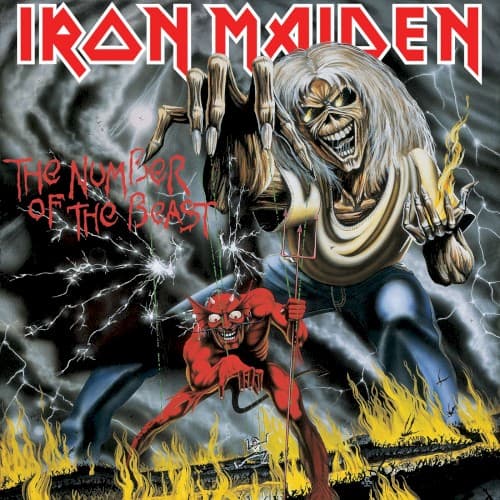
This theatrical approach established Ozzy's solo visual identity as darker and more personally symbolic than Sabbath's cosmic horror. The dove imagery became permanently linked to Ozzy's outrageous public persona, influencing countless shock-rock album covers that followed. While less celebrated than Derek Riggs' Iron Maiden work from the same era, this cover helped legitimize staged photography over illustration in metal packaging, proving theatrical narrative could match painted fantasy's impact.