From Arlington Obscurity to Groove Metal Blueprint
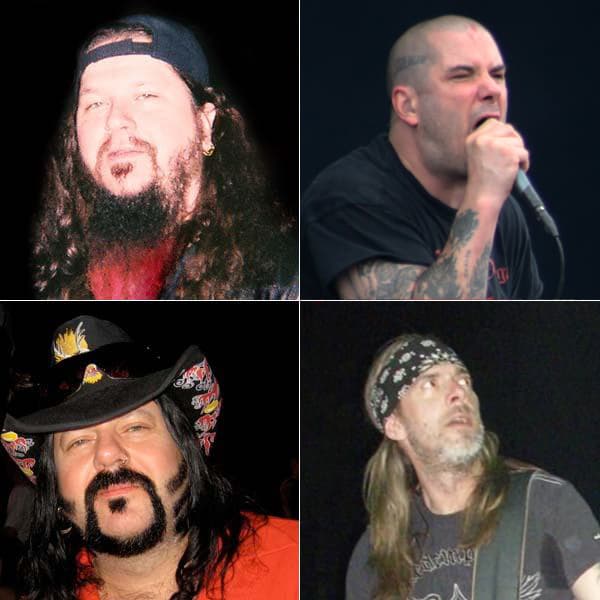
Pantera's transformation from regional glam metal hopefuls to architects of groove metal represents one of the most dramatic reinventions in heavy music. The Arlington, Texas quartet—brothers Dimebag Darrell and Vinnie Paul Abbott, vocalist Phil Anselmo, and bassist Rex Brown—spent the 1980s releasing four albums that barely registered outside their home state. Then 1990's Cowboys from Hell detonated everything they'd built, introducing a sound that would redefine heaviness for the decade ahead: downtuned brutality married to swaggering groove, technical precision fused with raw aggression.
What followed was a six-year run of commercial and critical dominance that few metal bands have matched. Vulgar Display of Power, Far Beyond Driven, and The Great Southern Trendkill didn't just sell millions—they established a sonic template that persists across modern metal. The band's 2003 dissolution following Dimebag's murder seemed to close the chapter permanently, yet their 2022 reunion with Zakk Wylde and Charlie Benante proved the appetite for Pantera's particular brand of controlled chaos remains undiminished.
Pantera matters because they made heaviness physical. Where thrash prioritized speed and death metal pursued extremity, Pantera carved out territory where the riff became a blunt instrument—slower than thrash, groovier than traditional metal, more accessible than death metal's underground sprawl. They proved that aggression didn't require complexity, that power came from precision and pocket as much as velocity. Every breakdown-heavy metalcore band, every groove-oriented modern metal act, every guitarist chasing that scooped-mid tone owes Pantera a debt.
The Sonic Architecture of Aggression: Tone, Groove, and Controlled Violence
Pantera's sonic identity crystallized around Dimebag Darrell's guitar tone—a scooped, heavily distorted wall of sound that sacrificed midrange warmth for aggressive presence. His Randall amplifiers and Dean ML guitars produced a signature attack: thick low-end chug paired with cutting high-end bite, creating space for vocals while maintaining crushing weight. The tone was instantly identifiable, copied endlessly but rarely matched. Dimebag's technical vocabulary blended pentatonic blues phrasing with shred-influenced lead work, but his genius lay in knowing when to unleash virtuosity and when to let a single sustained power chord do the work.
Phil Anselso's vocal evolution defined Pantera's progression from traditional metal howls to something far more visceral. By Vulgar Display of Power, he'd developed a mid-range roar that could shift seamlessly between shouted gang-vocal hooks and guttural bellows. His phrasing locked into rhythmic pockets rather than floating over them—vocals as percussion, driving grooves home with syllabic precision. The approach influenced countless metalcore and groove metal vocalists who learned that intensity could come from controlled aggression rather than constant screaming.
The rhythm section of Vinnie Paul and Rex Brown provided the foundation that made Pantera's grooves physically compelling. Vinnie's drumming favored groove over technicality, utilizing double-bass sparingly and prioritizing feel. His kick patterns locked with Dimebag's palm-muted chugs to create unified rhythmic attacks that hit like hammers. Rex's bass often mirrored guitar lines rather than carving independent space, thickening the overall sonic mass. This approach—four musicians moving as one rhythmic entity—created the hypnotic, head-nodding quality that separated Pantera from faster, more chaotic thrash contemporaries.
Power Metal Roots to Groove Metal Dominance: Pantera's Career Trajectory
Pantera's first four albums—Metal Magic, Projects in the Jungle, I Am the Night, and Power Metal—exist as footnotes in most discussions, yet they're crucial context. These records showcased a competent glam metal band searching for identity, indistinguishable from hundreds of regional acts chasing the Sunset Strip sound. Phil Anselmo's 1987 arrival began shifting the band's direction, but the real transformation came when they collectively decided to abandon radio aspirations for something heavier and more honest to their Texas roots.
Cowboys from Hell emerged in 1990 as a statement of intent. Produced by Terry Date, the album introduced the Pantera sound: downtuned guitars, groove-oriented riffs, and Anselmo's newly aggressive vocal attack. Tracks like "Cemetery Gates" retained melodic ambition while "Domination" and the title track established the template for everything to follow. The album found its audience through relentless touring rather than radio support, building a devoted fanbase that would carry the band through their peak years. It sold respectably but more importantly, it announced Pantera as contenders.
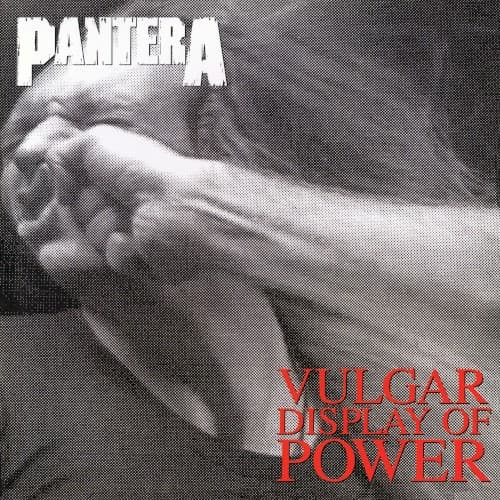
Vulgar Display of Power cemented their dominance in 1992. Working again with Terry Date, Pantera stripped away Cowboys' remaining melodic concessions and delivered an album of pure aggression. "Mouth for War," "Walk," and "Fucking Hostile" became anthems, their riffs instantly recognizable and endlessly quotable. The album's production was denser, heavier, and more focused than its predecessor—every element engineered for maximum impact. It debuted at number 44 on the Billboard 200, eventually achieving double-platinum status, proof that heaviness and commercial success weren't mutually exclusive. The record remains their most influential work, the purest distillation of groove metal's possibilities.
Far Beyond Driven arrived in 1994 and debuted at number one on the Billboard 200—a stunning achievement for music this uncompromising. The album pushed their sound into darker, more experimental territory. "5 Minutes Alone" and "Becoming" maintained the groove metal foundation while tracks like "Throes of Rejection" incorporated dissonant elements that hinted at broader ambitions. The success validated Pantera's approach: they didn't need to soften their sound for mainstream acceptance. The mainstream came to them.
The Great Southern Trendkill in 1996 revealed fractures within the band's chemistry. Recorded with Anselmo working separately due to back injuries and substance issues, the album's sonic palette expanded to include more extreme elements—faster tempos, harsher vocals, and an overall darker atmosphere. Tracks like "Suicide Note Pt. II" showed Pantera could still write compelling material, but the recording process foreshadowed coming tensions. The band's final studio album, Reinventing the Steel in 2000, attempted to recapture earlier energy with mixed results. Strong tracks like "Revolution Is My Name" sat alongside filler, suggesting creative exhaustion. They disbanded in 2003 amid internal conflicts, with Dimebag and Vinnie Paul forming Damageplan while Anselmo pursued various projects.
Dimebag's murder during a Damageplan performance in December 2004 ended any possibility of reunion and cast a shadow over Pantera's legacy. His death at 38 robbed metal of one of its most distinctive guitarists and transformed Pantera from an active concern into a closed chapter. Vinnie Paul's death in 2018 seemed to make reunion truly impossible, yet the 2022 touring lineup featuring Zakk Wylde and Charlie Benante proved the material's enduring power. The shows function as celebration and memorial, keeping Pantera's music alive for new generations while honoring the Abbott brothers' contributions.
Blueprint for Heaviness: Pantera's Enduring Impact on Modern Metal
Pantera's influence permeates modern metal so thoroughly that tracing specific lineages becomes nearly impossible. The entire metalcore genre builds on foundations they established—breakdowns, groove-oriented riffs, tough-guy posturing, and the balance between aggression and accessibility. Bands like Lamb of God, Five Finger Death Punch, and Hatebreed don't just acknowledge Pantera's influence; their entire sonic approach extends directly from grooves Pantera popularized. Even outside metal, Pantera's aesthetic of working-class aggression and anti-establishment attitude resonated with fans who saw the band as authentic counterpoint to polished, packaged rock.
Dimebag's guitar legacy extends beyond tone and technique to philosophy. His approach—virtuosity in service of the song rather than ego, willingness to favor simple crushing riffs over complex runs, and absolute commitment to heaviness—influenced generations of metal guitarists. His death transformed him into a martyr figure, but his actual playing remains the real tribute: listen to any modern metal guitarist chase that scooped tone and you're hearing Dimebag's shadow. Guitar manufacturers still produce signature models, and his Dean ML remains an icon of metal guitar aesthetics.
The band's commercial success without compromise opened doors for extreme music in the 1990s. Far Beyond Driven's number one debut proved heavy music could achieve mainstream chart positions without sacrificing intensity. This emboldened record labels to sign heavier acts and gave bands permission to pursue their vision without softening edges for radio play. Pantera demonstrated that integrity and success weren't mutually exclusive—a lesson that continues to resonate as new generations of metal bands navigate industry pressures. Their legacy isn't just sonic; it's philosophical, proving that heaviness, honesty, and commercial viability can coexist when the music connects on a visceral level.