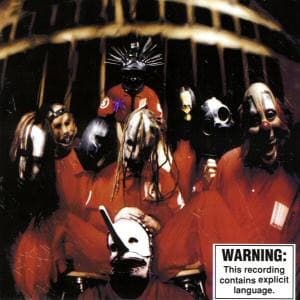

Nine Masked Outsiders Who Redefined Aggression
When Slipknot erupted from Des Moines, Iowa in the late 1990s, they arrived with a formula nobody had weaponized quite so effectively: nine members, horror-movie masks, industrial-grade percussion, and a rage that felt uncomfortably real. Their self-titled debut in 1999 landed like a Molotov cocktail thrown into the nu-metal scene, distinguishing itself through sheer sonic density and psychological intensity that transcended the era's trends. Where contemporaries leaned on rap-rock crossover appeal, Slipknot doubled down on chaos—blending death metal's ferocity, industrial music's mechanized brutality, and hardcore's unfiltered emotion into something that felt genuinely dangerous.
Founded by percussionist Shawn Crahan and bassist Paul Gray, the band's rotating early lineup solidified around vocalist Corey Taylor, whose ability to shift from guttural screams to melodic desperation became a defining weapon. The nine-member configuration—featuring dual percussionists, a turntablist, and two guitarists—created a wall of sound that was simultaneously orchestrated and anarchic. Their masked personas weren't mere gimmickry but a deliberate erasure of individual identity in service of collective catharsis, a concept that resonated with a generation feeling alienated by late-'90s cultural sanitization.
Slipknot's significance extends beyond record sales or festival headlining slots. They proved extreme metal could infiltrate mainstream consciousness without compromise, that aggression could coexist with sophisticated songcraft, and that spectacle could amplify rather than dilute artistic intent. Their influence ripples through modern metal's theatrical branch, from Ghost's conceptual anonymity to Code Orange's industrial pummel.
Controlled Chaos: The Architecture of Slipknot's Sound
Slipknot's sonic identity rests on controlled pandemonium—the tension between meticulous composition and the impression of barely-contained violence. The dual percussion setup, with Crahan and Chris Fehn's tribal battery augmenting Jay Weinberg's kit work, creates polyrhythmic warfare that gives their heaviest passages a ritualistic, almost ceremonial weight. Sid Wilson's turntable scratches and samples don't sit atop the mix as nu-metal decoration but embed themselves into the arrangements, adding textural dissonance that enhances the music's claustrophobic atmosphere.
Taylor's vocal approach operates on extremes. His screams carry the hoarse desperation of hardcore vocalists pushed past breaking points, while his clean singing—often underestimated in their early years—adds melodic accessibility without sacrificing intensity. This dynamic range allowed the band to craft songs that could swing from full-throttle assault to eerily vulnerable passages within a single track. Guitarists Mick Thomson and Jim Root favor downtuned, percussive riffing that prioritizes rhythmic impact over technical exhibitionism, creating grooves massive enough to support the band's oversized lineup.
Production-wise, Ross Robinson's work on their first two albums established Slipknot's template: raw yet clear, capturing the live energy of their performances while allowing each instrument space in the dense mix. The band's willingness to incorporate unconventional sounds—oil barrels, beer kegs, custom percussion instruments—gave their records an industrial texture that set them apart from the polished production dominating late-'90s rock radio. Their sound is physical, confrontational, designed to overwhelm rather than seduce.
From Basement Fury to Arena Dominance: Slipknot's Ascent
Slipknot's career trajectory began in basement rehearsal spaces and Iowa dive bars, where the band's early lineup experimented with their maximalist approach throughout 1995 and 1996. Their self-released demo Mate. Feed. Kill. Repeat. in 1996 captured a rawer, more experimental version of their vision, but it was their 1999 self-titled debut on Roadrunner Records that detonated their career. Produced by Ross Robinson, fresh from work with Korn and Sepultura, the album channeled genuine Midwest rage into tracks like "Wait and Bleed" and "Spit It Out," songs that balanced extreme metal aggression with hooks sharp enough to breach MTV rotation. The record went double platinum, a commercial feat that seemed improbable for music this uncompromising.
Their 2001 follow-up Iowa pushed even harder into darkness. Recorded during a period of interpersonal chaos, substance abuse, and creative friction, the album abandoned any remaining commercial concessions. Heavier, slower, more oppressive than its predecessor, Iowa became a cult touchstone—its bleakness resonating with fans who felt the first album's success had sanitized the band's danger. Tracks like "People = Shit" and "Disasterpiece" remain live staples, visceral expressions of alienation that cemented Slipknot's reputation as more than a passing trend. The album's uncompromising brutality influenced countless metalcore and deathcore bands throughout the 2000s.
Vol. 3: (The Subliminal Verses) in 2004 marked a calculated evolution. Working with producer Rick Rubin, the band incorporated more melody, acoustic passages, and song-focused arrangements without neutering their intensity. "Duality" became their biggest crossover hit, proving Slipknot could write anthems that retained their identity. The album divided some purists but expanded their audience significantly, demonstrating artistic growth rather than sellout compromise. This creative confidence carried into All Hope Is Gone (2008), which debuted at number one on the Billboard 200—a remarkable achievement for a band whose early shows featured vomiting onstage and borderline riots.
The 2010 death of bassist Paul Gray nearly ended the band. Gray had been a founding member and creative anchor; his loss forced a reassessment of whether Slipknot could or should continue. After a grieving period, they returned with .5: The Gray Chapter (2014), an album that processed collective trauma while honoring Gray's legacy. Bassist Alessandro Venturella and drummer Jay Weinberg joined as replacements, injecting new energy while respecting the band's established identity. We Are Not Your Kind (2019) and The End, So Far (2022) found the band continuing to experiment—incorporating prog elements, atmospheric interludes, and increasingly sophisticated song structures—while maintaining the core intensity that built their reputation.
Throughout personnel changes, label shifts, and evolving metal trends, Slipknot has maintained commercial viability without diluting their essence. Their Knotfest brand evolved into a global touring franchise, positioning them as genre ambassadors capable of curating lineups that span metal's stylistic spectrum. This institutional status reflects their transformation from outsider provocateurs to establishment figures within heavy music's hierarchy.
The Masked Legacy: Slipknot's Lasting Imprint on Metal Culture
Slipknot's legacy operates on multiple levels. Musically, they provided a blueprint for integrating extreme metal aggression with arena-ready production and performance spectacle. Bands like Bring Me The Horizon, Motionless In White, and Ice Nine Kills owe debts to Slipknot's demonstration that theatrical presentation and musical brutality can coexist productively. The band proved that metal acts could headline major festivals, move significant units, and maintain credibility with underground audiences simultaneously—a balance many attempted but few achieved as successfully.
Culturally, their masked anonymity offered a model for how metal bands could construct mythologies around collective identity rather than individual personalities. This approach influenced not just metal acts but rock's broader theatrical tradition, showing that mystery and spectacle could enhance rather than cheapen artistic statements. Their unflinching exploration of anger, depression, and alienation gave voice to experiences often dismissed or pathologized, creating a community around shared pain rather than escapism.
Slipknot's commercial success also shifted industry perceptions of what extreme metal could achieve financially. Their ability to sell millions of records, pack arenas globally, and maintain relevance across multiple decades proved that heavy music's audience was larger and more dedicated than mainstream industry gatekeepers assumed. This paved easier paths for subsequent generations of heavy bands, demonstrating viable career models beyond cult status. Whether influencing masked theatrical acts, inspiring extreme metal's melodic integration, or simply proving that aggression has enduring commercial appeal, Slipknot's impact on modern metal remains undeniable and ongoing.