The Architects of Nu Metal's Seismic Shift
When Korn's self-titled debut erupted from Bakersfield, California in October 1994, it didn't just introduce a new band—it detonated the fault line that would split metal into before and after. Jonathan Davis, James
Detuned Aggress ion: The Sonic Blueprint That Redefined Heavy
The Korn sound is immediately, viscerally recognizable: Fieldy's percussive, clanking bass that abandons traditional low-end anchor work for a rhythm-forward attack. Munky and Head's seven-string guitars tuned to drop A, creating a suffocating heaviness that sits below where most metal operates. Brian
From Bakersfield Outcasts to Genre-Defining Titans
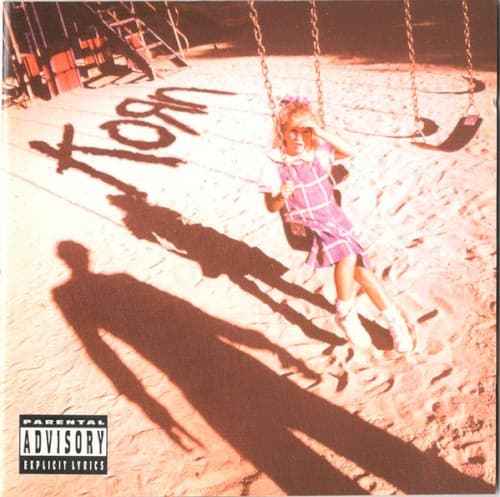
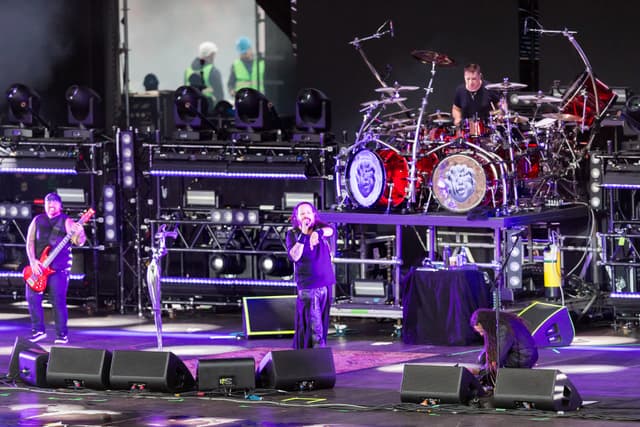
The trajectory begins with their 1994 self-titled debut, produced by Ross Robinson in a claustrophobic recording process that captured genuine emotional rawness rather than polished aggression. The album moved slowly at first, building through relentless touring—the band's live intensity became legendary, with Davis's performances bordering on exorcism. By the time radio picked up 'Blind,' metal had already begun its transformation at the underground level. Life Is Peachy arrived in 1996, expanding their sonic palette while doubling down on the emotional brutality. The production felt deliberately uglier, more confrontational, cementing their refusal to sanitize their approach for broader acceptance.
Follow the Leader in 1998 marked their commercial apex and creative expansion. Robinson returned behind the boards, but the band incorporated hip-hop elements more overtly, brought in actual turntablism, and delivered songs that dominated both rock radio and MTV. The album debuted at number one, sold millions, and effectively announced nu metal as the dominant force in heavy music. Issues followed in 1999, arriving amid the genre's absolute commercial peak—this was Korn at their most experimental, incorporating drum and bass, electronic textures, and increasingly abstract song structures. The production grew denser, more layered, reflecting both the band's ambition and the pressure of expectation.
The 2000s brought both evolution and turbulence. Head's departure in 2002 altered their dynamic significantly, yet they continued releasing albums that explored their sound from different angles. Untouchables showcased their darkest, most atmospheric tendencies. Take a Look in the Mirror returned to rawer aggression. See You on the Other Side found them working with producers outside their comfort zone, incorporating industrial and electronic influences more deliberately. The experimental phase polarized longtime fans but demonstrated their refusal to simply replicate their early success.
Head's return in 2013 symbolically reunited the classic lineup energy, even as their approach had matured considerably. Recent albums like The Serenity of Suffering and Requiem show a band comfortable with their legacy while still pursuing sonic evolution. They've outlasted virtually every band that rode their initial wave, surviving through adaptation rather than replication. Their current work balances the aggression that defined them with the textural experimentation they've developed across three decades.
Cultural Shockwave: How Korn Rewired Metal's DNA
Korn's influence extends far beyond sales figures or radio dominance. They fundamentally altered what heavy music could express and who could claim it. Before Korn, metal largely channeled anger through fantasy, mythology, or social commentary filtered through metaphor. Korn made unflinching personal trauma the text rather than subtext—addressing child abuse, bullying, addiction, and mental illness with zero protective distance. This shift gave an entire generation permission to use heavy music as genuine emotional processing rather than escapism. The sonic template they established became the foundation for nu metal, metalcore's low-end focus, and even modern djent's rhythmic approach.
Their impact on metal's technical evolution is equally profound. The seven-string guitar became standard equipment for heavy bands. The rhythm-as-lead bass approach influenced countless players. The integration of hip-hop elements without simply grafting rap vocals onto metal riffs created actual fusion rather than collision. Bands from Slipknot to Bring Me the Horizon carry Korn's DNA in their willingness to blend genres, prioritize emotional authenticity, and embrace production as part of composition rather than mere documentation.
Culturally, Korn bridge the gap between metal's outsider tradition and mainstream recognition without dilution. They proved heavy music could dominate charts without compromising its essential heaviness, creating space for subsequent waves of extreme music to find larger audiences. Their survival across shifting trends—from nu metal's peak through its backlash, metalcore's rise, and extreme metal's current visibility—demonstrates both durability and genuine artistic conviction. Three decades after that first album's detuned assault, Korn remain both architects of a revolution and active participants in metal's ongoing evolution, their influence embedded so deeply in modern heavy music that it's become foundational language rather than mere reference point.