From Underground Fury to Mainstream Metamorphosis: Bring Me the Horizon's Unlikely Trajectory
Bring Me the Horizon emerged from Sheffield's basement venues in 2004 as antagonists—delivering caustic deathcore that felt designed to alienate rather than embrace. Fronted by Oliver Sykes, whose early performances carried the unhinged energy of someone genuinely uninterested in acceptance, the band initially represented everything purists loved to hate about mid-2000s MySpace-era extreme music. Their trajectory since has become one of modern metal's most contentious and fascinating case studies in artistic reinvention.
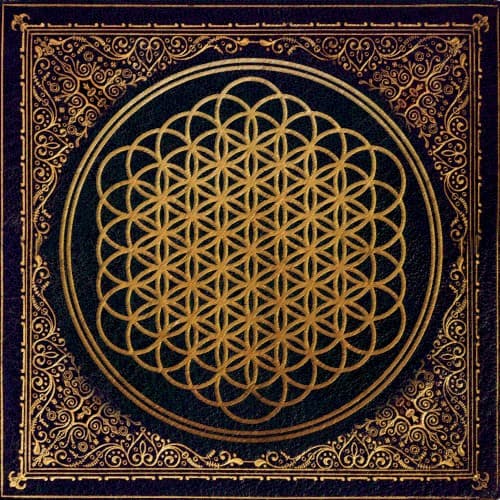
What distinguishes BMTH from countless bands who softened their sound isn't the shift itself—it's the fearlessness with which they've burned bridges at every turn. Each album cycle has functioned as a provocation, daring their audience to either evolve alongside them or walk away. By the time Sempiternal arrived in 2013, they'd already shed significant portions of their fanbase multiple times over. Yet that willingness to risk commercial suicide paradoxically positioned them as one of British metal's most successful exports.
Their importance extends beyond sales figures or festival headline slots. Bring Me the Horizon forced a conversation about genre boundaries at precisely the moment when metalcore's formulaic conventions had calcified into predictability. Whether you view their evolution as brave artistic growth or calculated trend-chasing says more about your relationship with metal's identity than it does about the band itself.
Sonic Shapeshifting: The Constant Reinvention of BMTH's Sound Palette
The band's early deathcore approach—blast beats, guttural vocals, and oppressive breakdowns—offered little hint of what would follow. Count Your Blessings (2006) sounded deliberately unpleasant, recorded with a muddy production that amplified its hostility. Sykes' vocal delivery verged on unlistenable to casual observers, yet that rawness felt intentional, a middle finger to accessibility.
The first major pivot arrived with Suicide Season (2008), which introduced melodic elements and electronic textures without abandoning brutality. Collaborations with producer Fredrik Nordström brought clarity to their chaos. By There Is a Hell Believe Me I've Seen It (2010), synthesizers and orchestral arrangements competed for space with deathcore riffing. The juxtaposition felt jarring—which was precisely the point.
Sempiternal represented their full embrace of atmosphere over aggression. Working with producer Terry Date, they constructed songs where electronic elements weren't embellishments but foundational architecture. Sykes' clean vocals emerged as a primary instrument rather than occasional contrast. The djent-influenced guitar work and stadium-sized choruses signaled ambitions far beyond metalcore's underground confines. That album's success validated their instinct that emotional resonance could coexist with heaviness.
Subsequent releases pushed further into pop and electronic territories, with That's the Spirit (2015) and amo (2019) dividing their audience completely. The production became immaculate, polished to a sheen that would've horrified their earlier selves. Yet even at their most radio-friendly, an undercurrent of darkness persists—Sykes' lyrics rarely offer easy comfort, and the band's willingness to incorporate industrial grit or sudden tempo shifts prevents complete domestication.
Career Arc: Calculated Risks and the Courage to Disappoint Expectations
Formed when its members were barely out of their teens, Bring Me the Horizon spent their first years earning a reputation as much for Sykes' confrontational stage presence as their music. Early tours saw violent crowds and venues skeptical of booking them again. Count Your Blessings sold modestly but established them within deathcore's niche market—a dedicated but limited audience.
The band recognized early that deathcore's ceiling was low. Suicide Season's stylistic expansion drew accusations of selling out before they'd achieved anything to sell. The album's success in the UK proved their instincts correct, though American audiences remained resistant. Their willingness to tour relentlessly—often on packages with wildly different bands—exposed them to broader demographics than most metalcore acts bothered pursuing.
There Is a Hell arrived during personal turmoil for Sykes, whose struggles with substance abuse and ketamine addiction informed the album's schizophrenic intensity. The record's experimental nature confused fans expecting either pure brutality or complete commercialization. Yet it positioned them for Sempiternal's breakthrough. That album cracked the UK top five and introduced them to mainstream rock radio without sacrificing all extremity. Songs like "Shadow Moses" and "Sleepwalking" became crossover hits while retaining enough aggression to avoid complete alienation of their metal base.
The decision to go even further into pop territory with That's the Spirit sparked their most intense backlash yet. Festival appearances saw older fans leaving mid-set, and online discourse positioned them as traitors to metal. But the album debuted at number two in the UK and cracked the US top ten—commercial validation that rendered purist criticism irrelevant from a business perspective. They'd successfully escaped metalcore's commercial limitations entirely.
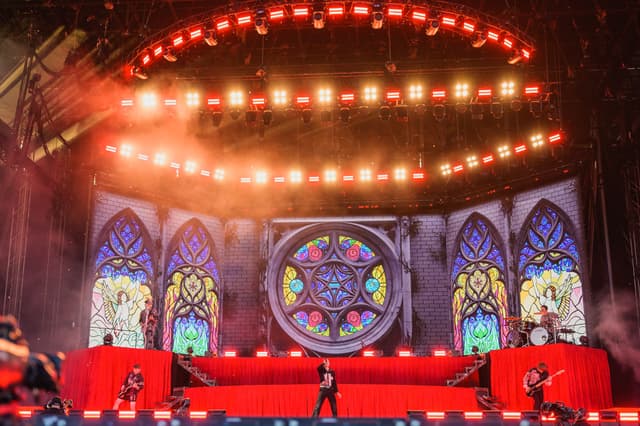
amo (2019) and POST HUMAN: SURVIVAL HORROR (2020) continued their pattern of zigging when audiences expected zagging. The latter, a surprise pandemic release, reintroduced heavier elements while maintaining their experimental electronic foundation—a synthesis that suggested they'd finally stopped caring whether they belonged to any single genre. Collaborations with pop producers and mainstream artists became normalized rather than scandalous. Their festival headline status at Reading and Leeds, Download, and international equivalents confirmed their escape velocity from metal's gravitational pull.
Critically, they've remained polarizing. Traditional metal publications often dismiss them as opportunists, while mainstream rock press celebrates their boundary-pushing. This tension perfectly encapsulates their cultural position—too pop for metal purists, too metal for pop audiences, yet commercially successful enough to ignore both criticisms.
Cultural Footprint: How BMTH Redefined Ambition in Modern Heavy Music
Bring Me the Horizon's most significant contribution isn't any single album—it's the permission structure they created for subsequent bands to evolve beyond their scenes of origin. Before BMTH proved it possible, the assumption held that metalcore bands either stayed heavy or faded into irrelevance. They demonstrated a third path: radical reinvention while maintaining core identity through lyricism and aesthetic darkness.
Their influence appears most clearly in how younger bands approach genre. Acts like Bad Omens, Architects (who've followed a similar if less extreme trajectory), and Sleep Token construct music without concern for metalcore's traditional boundaries, knowing BMTH already absorbed the backlash for genre-hopping. The integration of electronic production, pop song structures, and extreme metal elements—once controversial—has become standard practice. Whether those bands would've existed without Bring Me the Horizon's trailblazing is debatable, but BMTH certainly accelerated the timeline.
Their impact on metal's business model also deserves recognition. They've proven that bands can headline major festivals without constant album cycles, that surprise releases can succeed, and that provocative visual aesthetics and fashion-forward presentation aren't antithetical to heavy music credibility. Sykes' clothing brand Drop Dead and the band's meticulous attention to visual branding influenced how metal acts approach their public image.
The controversy surrounding their evolution itself became their legacy. Every BMTH album cycle reignites debates about authenticity, selling out, and metal's boundaries—conversations that keep the genre's identity in productive tension rather than stagnant consensus. They've become the band that metalheads love to argue about, which keeps them perpetually relevant even to those who stopped listening after Sempiternal. In forcing metal to confront its own conservatism, Bring Me the Horizon changed the culture whether the culture wanted to change or not.