From Underground Fusion to Mainstream Metal Revolution
When Linkin Park emerged from Agoura Hills, California in the late 1990s, they arrived with a sound that would fundamentally reshape metal's relationship with mainstream culture. Formed initially as Xero in 1996 before becoming Hybrid Theory and finally settling on Linkin Park, the group—vocalist Chester Bennington, rapper Mike Shinoda, guitarist Brad Delson, bassist Dave Farrell, drummer Rob Bourdon, and DJ Joe Hahn—built something unprecedented: a bridge between hip-hop's rhythmic aggression and metal's emotional catharsis that felt neither compromised nor diluted.
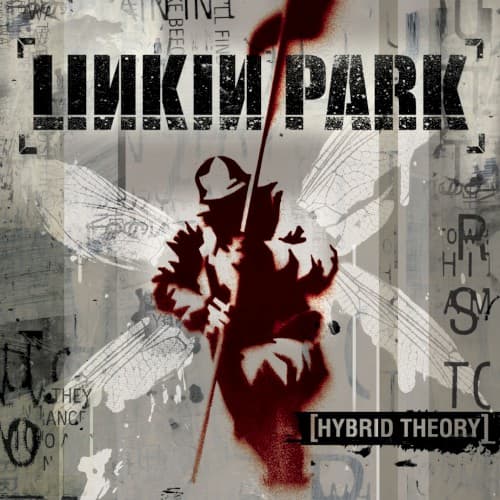
Their 2000 debut Hybrid Theory didn't just succeed commercially—it became the best-selling debut album of the 21st century, moving over 30 million copies worldwide. But numbers alone don't capture what made Linkin Park culturally seismic. They gave a generation of listeners permission to embrace complexity, to reject the false binary between rap and rock authenticity, and to find emotional vocabulary in music that refused easy genre classification. Where earlier rap-metal experiments often felt like novelty collisions, Linkin Park's approach felt intentional, architecturally sound.
The band's significance extends beyond their nu metal origins into broader questions about genre evolution, digital-age music consumption, and the globalization of heavy music. They became metal ambassadors to audiences who might never have explored the genre otherwise, while simultaneously earning respect from purists through technical proficiency and genuine emotional weight. Their trajectory—from underground fusion project to stadium phenomenon to artistically ambitious veterans—mirrors metal's own navigation of commercial success without sacrificing credibility.
Architectural Precision: Constructing the Linkin Park Sound
Linkin Park's sonic identity rests on structural precision that distinguishes them from the often formless aggression of their nu metal contemporaries. Mike Shinoda's production approach treats each element—turntable scratches, electronic textures, rap verses, sung melodies, guitar riffs—as architectural components with specific load-bearing functions. The result feels engineered rather than jammed, with negative space and dynamic contrast given equal importance to heaviness. Where many rap-metal acts simply alternated between rapped verses and shouted choruses, Linkin Park developed actual compositional sophistication.
Chester Bennington's vocal delivery provided the emotional core, his ability to shift from melodic vulnerability to raw-throated desperation often within the same phrase. His scream wasn't mere aggression—it carried psychological specificity, the sound of internal pressure seeking release. Paired with Shinoda's more measured, almost conversational rap delivery, the dual-vocal approach created genuine dialogue rather than simple contrast. Brad Delson's guitar work, often underrated, provided tonal density without showboating, favoring atmospheric chord textures and precisely placed heavy riffs over extended soloing.
The electronic elements—Joe Hahn's turntablism and the band's increasing use of digital production—never felt grafted on. From the beginning, electronics were foundational, not decorative. The glitchy textures, industrial-adjacent percussion, and sample manipulation placed Linkin Park in conversation with electronic music's evolution as much as metal's. This wasn't rock musicians dabbling in beats; it was genuine hybrid thinking, creating space for heavy music to exist in the same sonic universe as Nine Inch Nails, The Prodigy, and emerging electronic producers. That forward-looking production sensibility would prove prophetic as metal increasingly incorporated digital elements in subsequent decades.
Evolution Under Pressure: From Hybrid Theory to Artistic Transformation
Hybrid Theory's 2000 release represented the culmination of years of refusal—labels rejecting the band's demo, the struggle to find a vocalist who could match Shinoda's vision, the grinding work of perfecting their sound in relative obscurity. When it connected, it connected globally and instantaneously. Singles like "One Step Closer," "Crawling," and "In the End" dominated not just rock radio but MTV's Total Request Live, infiltrating pop culture spaces typically closed to heavy music. The album's themes of internal conflict, fractured identity, and emotional alienation resonated with adolescent listeners discovering that heavy music could articulate feelings that pop couldn't reach.
Meteora (2003) faced the impossible task of following a phenomenon. Rather than radically reinvent, the band refined their formula, delivering another commercial juggernaut that moved over 800,000 copies in its first week. Tracks like "Somewhere I Belong" and "Numb" demonstrated increased melodic sophistication while maintaining the aggressive-cathartic balance that defined their sound. Critics often dismissed Meteora as Hybrid Theory 2.0, but the album's success proved their approach had staying power beyond novelty. The band's decision to tour relentlessly—including Projekt Revolution, their own touring festival—cemented their reputation as live performers who could translate studio precision to arena stages.
Minutes to Midnight (2007) marked deliberate artistic pivot. Working with producer Rick Rubin, Linkin Park stripped away some electronic elements, slowed tempos, and pursued more traditional rock songwriting. "What I've Done" and "Shadow of the Day" revealed a band grappling with maturity and global political consciousness, moving beyond personal angst toward broader themes. The shift alienated some fans expecting Hybrid Theory part three but earned critical respect for artistic courage. This pattern—commercial success followed by experimental risk—would define their subsequent career.
A Thousand Suns (2010) pushed furthest from their origins, incorporating progressive rock ambitions, concept album structure, and overt political messaging around nuclear proliferation and technological anxiety. The album polarized their fanbase but represented Linkin Park at their most artistically ambitious, willing to sacrifice commercial certainty for creative exploration. Living Things (2012) and The Hunting Party (2014) attempted to reconcile their experimental phase with their heavy roots, the latter specifically positioning itself as a return to aggressive guitar-driven rock in an EDM-dominated landscape.
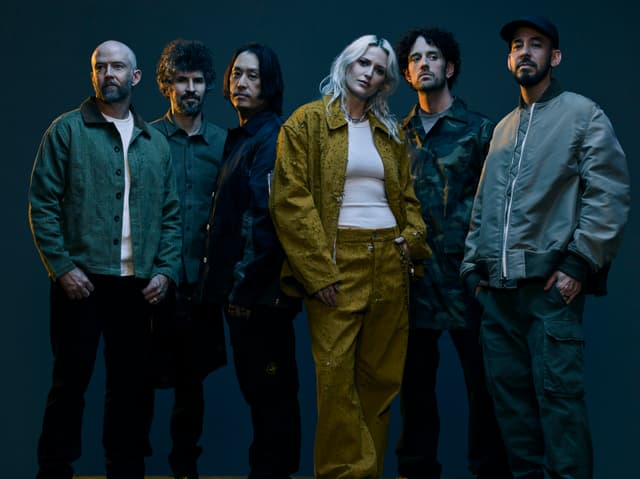
One More Light (2017) courted controversy by embracing pop production and vulnerability, featuring their most melodic, least heavy material. Critics and longtime fans reacted harshly, but the album took on tragic significance following Chester Bennington's death by suicide in July 2017. His passing devastated the metal and rock communities, revealing the depth of his impact beyond commercial metrics. The band went on hiatus, eventually recruiting Emily Armstrong as co-vocalist in 2024 and releasing From Zero, signaling continuation rather than replacement—a band learning to carry forward while honoring the past.
Beyond Nu Metal: Linkin Park's Enduring Cultural Footprint
Linkin Park's influence operates on multiple levels—musical, industrial, and cultural. Musically, they demonstrated that genre fusion could achieve both commercial success and artistic integrity, paving the way for countless bands to mix rap, metal, electronic, and pop elements without apology. Artists from Bring Me the Horizon to Twenty One Pilots to even mainstream pop producers have absorbed lessons from Linkin Park's architectural approach to combining disparate sounds. Their success proved heavy music could dominate global charts without sacrificing emotional authenticity or musical complexity.
Industrially, the band pioneered direct fan engagement in the digital era. Their early adoption of online communities, remix contests, and digital distribution strategies (including making stems available for fan remixing) anticipated streaming-era artist-fan relationships. They understood before many peers that the internet wasn't just a promotional tool but a fundamental shift in how music creates community and meaning. This forward thinking extended to their embrace of video game soundtracks, film scores, and transmedia storytelling—treating music as one element in broader creative ecosystems.
Culturally, Linkin Park gave millions of listeners their first experience with heavy music that didn't require subcultural initiation. They lowered barriers to entry while raising expectations for emotional honesty and production quality. The band made it acceptable for metal to be vulnerable, for rock to incorporate electronics, for rap to exist in genuinely integrated musical contexts rather than as guests on rock tracks. Chester Bennington's openness about mental health struggles, particularly in retrospect, has contributed to ongoing conversations about depression, trauma, and suicide prevention in music communities. His voice—literally and figuratively—continues to resonate with those finding their own words for internal turmoil. That legacy of emotional courage matters as much as any platinum certification.