The scorecard
8.6/10 · Essential
- Songwriting25%
- 9.0
- Sound25%
- 8.0
- Performance15%
- 8.5
- Cohesion15%
- 9.5
- Originality10%
- 8.0
- Replay value10%
- 8.5
The Nicholas/Victoria narrative runs as a unified arc with recurring motifs and rhyme schemes that lock twelve scenes into a single thesis statement, sustained across seventy-seven minutes without a wasted measure.
Kevin Shirley and David Bottrill split mixing duties to strong effect—guitars cut through dense keys without mud, though the drum sound occasionally flattens under the orchestration in the denser passages.
Petrucci's solos build arguments rather than cataloging scales, Portnoy navigates odd meters without showboating, and LaBrie's upper register holds pitch through the most punishing melodies the band ever wrote for him.
Motifs from Overture 1928 return in Finally Free to close the narrative loop, interludes serve the plot rather than pad the runtime, and the seventy-seven minutes sequence as tightly as a film edit.
Dream Theater synthesized Genesis, Queensrÿche and film scoring into the first progressive metal concept album that worked as both theater and riff record, though the parts inventory came from established prog and metal vocabulary.
The album rewards close listening—melodic callbacks and narrative clues emerge on repeat—and the structure keeps it from sagging even at feature length, twenty-five years on.
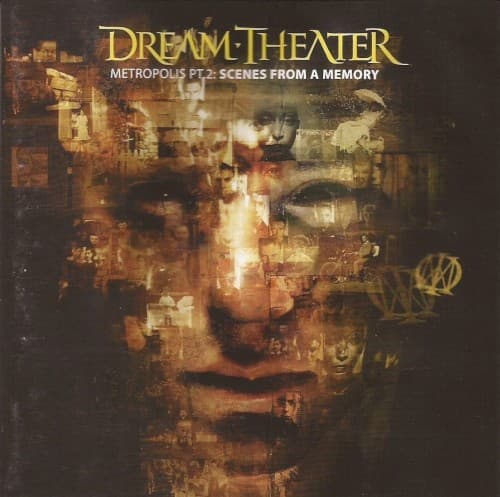
Dream Theater Metropolis, Pt. 2: Scenes From a Memory — Progressive Metal Learns to Write a Play
Metropolis, Pt. 2: Scenes From a Memory is the album where Dream Theater stopped writing songs and started writing scenes. Released in 1999 through Elektra, it is the band's first full concept album and the belated sequel to a single track from Images and Words—a track whose
The Arrchitecture: Song as Structure
The album works because Dream Theater treated the concept as a design constraint rather than an excuse for indulgence. Every track serves the Nicholas/Victoria murder mystery: Regression sets the hypnosis frame, Overture 1928 introduces the melodic material that will recur throughout, and Finally Free closes the loop by revealing the hypnotherapist as the reincarnated killer. Motifs from the overture return in Fatal Tragedy, Home, and the closing track, creating a through-composed logic where callbacks function as narrative clues rather than lazy self-reference. The writing builds tension across act breaks—Beyond This Life stretches to eleven minutes but earns the length by developing a single riff idea through multiple tempos and meters, while The Dance of Eternity compresses the instrumental showpiece into six minutes of relentless meter shifts that never lose the thread.
John Petrucci and Mike Portnoy handled production, recorded at BearTracks Studios in Suffern with engineering by Doug Oberkircher and mixing split between Kevin Shirley and David Bottrill. The guitar tone is thick without turning to sludge, keyboards sit forward in the mix without crowding the riffs, and the bass remains audible even in the densest passages. The dual mixing approach gives the heavier tracks (Beyond This Life, Home) more edge and the ballads (Through Her Eyes, The Spirit Carries On) more air, though the drum sound occasionally compresses under the orchestration in the bigger moments.
This was Jordan Rudess's first album with the band after Derek Sherinian's firing, and his classical training shows in the way he voices chords and constructs counterpoint—Home features keyboard runs that function as melodic argument rather than texture, and The Dance of Eternity's unison lines between keys and guitar demand conservatory precision. The weakness is that LaBrie's vocal melodies occasionally prioritize range over singability—Strange Deja Vu and Fatal Tragedy push him into a register where sustain becomes a battle, and a few choruses would work better a third lower. The gospel choir on The Spirit Carries On, arranged by Rudess, adds weight to the album's emotional peak, but the track also highlights a broader issue: the band writes better when the narrative demands complexity than when it demands sentiment. Does the emotional payoff justify the melodic compromise?
The Album as Arc: Pacing a Seventy-Seven-Minute Plot
Scenes From a Memory sequences like a two-act play, with the intermission placed deliberately after Through Her Eyes—the first act builds the mystery, the second delivers the revelation. The pacing works because Dream Theater varied intensity and meter across scenes rather than front-loading the heavy material. Regression and the spoken-word interludes (Through My Words features narration by producer Terry Brown) function as scene transitions that let the band reset dynamics before the next surge, and they are brief enough to avoid killing momentum.
The album peaks twice: Beyond This Life ends act one with the heaviest riff on the record and a guitar solo that develops a single idea across four minutes, while Finally Free closes act two by recapitulating every major theme and then cutting to phonographic static mid-scene—a narrative choice that actually justifies its eleven-minute runtime. The only sag comes in act two's middle stretch, where One Last Time feels like a shorter reprise stretched to meet a scene requirement, and The Spirit Carries On, while effective as the emotional climax, leans on gospel balladry that sounds more like late-period Genesis than the prog-metal hybrid the rest of the album delivers. The Dance of Eternity, an instrumental that represents the affair through pure meter chaos, is either the album's most audacious moment or its most self-indulgent depending on whether you value difficulty as expression; it works because it is short and because it arrives after twelve minutes of Home have already earned some breathing room.
At seventy-seven minutes the album pushes the limit of what the concept can support, but the motif work and narrative structure mean it does not feel like a collection of long songs—it feels like a single long song that happens to have twelve movements.
The Verdict: Progressive Metal's High-Water Mark for Ambition
Metropolis, Pt. 2: Scenes From a Memory is Dream Theater's best album because it is the only one where the ambition and the execution align completely. The band set out to write a metal opera that worked as both narrative and riff record, and they delivered: the Nicholas/Victoria story holds together on its own terms, the musicianship serves the songs rather than just displaying skill, and the seventy-seven-minute runtime feels earned rather than inflated. It ranks as the definitive progressive metal concept album, the record that proved the genre could sustain feature-length storytelling without collapsing into wankery or bombast.
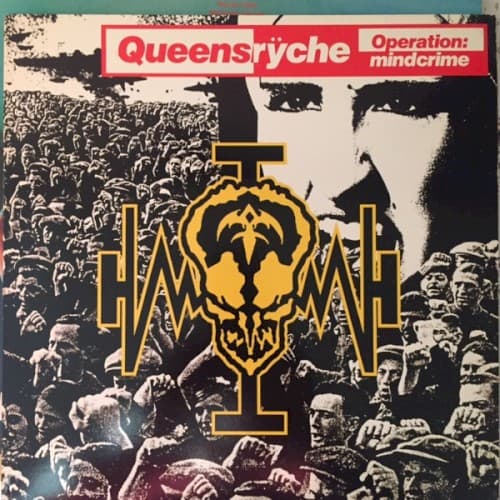
This is for listeners who want their metal to think and their prog to hit—fans of Queensrÿche's Operation: Mindcrime, later Opeth, or Mastodon's Crack the Skye will find the template here. Skip it if you want riffs without the theater or if you find LaBrie's voice grating; the vocals are front and center and the narrative demands your attention. Start with Beyond This Life for the heaviest moment, The Dance of Eternity for the most technically audacious, or Overture 1928 into Strange Deja Vu for the thesis statement. If those three tracks work, commit to the full album in sequence—this is one of the few progressive metal records where shuffling the tracklist breaks the design.
For next steps, hear Images and Words to understand what the band sounded like before they attempted long-form narrative, or Queensrÿche's Operation: Mindcrime to hear the 1988 concept album that set the standard Dream Theater was chasing. Scenes From a Memory is the sound of a band that spent the nineties learning to write epics finally figuring out how to make one cohere.
Track by track
Track Listing
Act I: Scene One: Regression
SolidA two-minute scene-setter: spoken-word hypnosis induction over ambient keys and distant guitar, with producer Terry Brown's voice guiding Nicholas into the trance that frames the entire narrative. It works as theater and as a dynamics reset, giving the overture that follows maximum impact. Pure setup, no filler.
Act I: Scene Two: I. Overture 1928
StandoutThe melodic thesis statement, a three-and-a-half-minute instrumental that introduces every major theme on the album in miniature: the Victoria motif in the opening keys, the murder theme in the mid-tempo riff, and the hypnosis callback in the closing arpeggio. Petrucci's lead guitar plays the role of narrator, and the composition works as both exposition and as a standalone piece of writing. The fact that these motifs will recur in Fatal Tragedy, Home, and Finally Free is what separates this from a standard prog intro—it is load-bearing structure, not a throwaway overture.
Act I: Scene Two: II. Strange Deja Vu
SolidThe first full song, where Nicholas describes the visions of Victoria, and the vocal melody immediately exposes the album's biggest weakness: LaBrie is asked to sustain notes in a register where he has power but not much comfort, and the chorus pushes him to the edge of his range. The riff underneath is patient and methodical, building through two verses before the guitar solo enters, and Rudess's keyboard counterpoint in the bridge shows what his classical training adds to the band's sound. The track establishes the narrative voice and the musical vocabulary, even if the vocal production is occasionally strained.
Act I: Scene Three: I. Throug My Words
SolidSixty seconds of narration over clean guitar and strings, with Nicholas explaining his obsession with solving the murder. It is a scene transition that keeps momentum rather than killing it, concise enough to justify its existence.
Act I: Scene Three: II. Fatal Tragedy
StandoutThe first sustained heavy track, where Nicholas realizes Julian's guilt, and the riff cycles through three distinct sections—a syncopated verse, a straight-ahead chorus, and a bridge that quotes the Overture 1928 motif in a new meter. Portnoy's drumming drives the transitions without overplaying, and Petrucci's solo in the back half builds a single idea across two minutes rather than running scales. The narrative here is functional rather than inspired—Nicholas talks to an old man, learns some facts—but the music does enough work to carry it. The melodic callback is what makes it essential; without that link to the overture, it would just be a solid six-minute progger.
Act I: Scene Four: I. Beyond This Life
StandoutEleven minutes of the heaviest riffing on the album, and the track that proves Dream Theater could write a long song that develops rather than meanders. The main riff is a palm-muted chug in 5/4 that shifts accents across the bar, and the band builds the entire first half by varying the orchestration around that single idea—first just guitars and bass, then keys, then the full band with LaBrie's vocal doubling the riff rhythm. The guitar solo at the seven-minute mark is Petrucci at his most focused: he takes a four-note motif and explores it through different positions and harmonizations for three minutes, never losing the thread. The lyrics are Nicholas vowing to solve the murder, and the musical intensity matches the obsession. The only weakness is that the final two minutes repeat the main riff without adding new information, but the track earns some victory-lap time. This is the peak of act one and one of the three or four essential tracks on the album.
Act I: Scene Five: I. Through Her Eyes
SolidThe mandatory ballad, with LaBrie singing from Victoria's perspective and Theresa Thomason adding backing vocals that function as a second voice rather than just harmony. The verse is patient and the chorus melody is the most singable on the album, but the track also highlights the gap between Dream Theater's prog instincts and their attempts at sentiment—the bridge features a keyboard solo that sounds more like embellishment than expression, and the lyrics veer toward Hallmark territory. It works as a dynamics break before act two and as a character moment for Victoria, but it is the least necessary five minutes on the record. Still, Thomason's vocal adds texture the band rarely attempts, and the final chorus lands.
Act II: Scene Six: I. Home
StandoutTwelve minutes that justify their length by functioning as three distinct movements: the opening four minutes are a mid-tempo exploration of Julian's addictions with a riff that locks into a hypnotic groove, the middle section shifts to Edward's perspective with a new vocal melody and a keyboard line from Rudess that serves as counterpoint rather than texture, and the final four minutes build to the seduction scene with the heaviest riff in act two. The transitions between movements are seamless—no hard stops, just gradual shifts in meter and intensity—and the lyrics move the plot forward in every verse. LaBrie handles the multi-character narration without resorting to vocal affectation, letting the music differentiate the perspectives. The guitar tone in the final section is thick enough to anchor the orchestration without turning to sludge, and Portnoy's double-kick work drives the climax without overplaying. This is the longest track on the album and the one that best demonstrates what Dream Theater means by
Act II: Scene Seven: I. The Dance of Eternity
SolidSix minutes of instrumental chaos representing the affair as pure meter and riff: the band cycles through dozens of time signatures, unison lines between guitar and keys that demand conservatory precision, and transitions that occur every eight to sixteen bars. It is either thrilling or exhausting depending on your tolerance for difficulty as its own reward. The track works because it is short and because it arrives after Home has already earned some breathing room, but it is also the moment where the album's ambition tips closest to self-indulgence. Portnoy's drumming is absurdly precise, Rudess and Petrucci lock into runs that would fall apart with a single missed note, and Myung's bass holds the low end even as the meter shifts every few measures. No vocals, no narrative text—just the band showing what they can do. It is impressive and it fits the scene thematically, but it does not develop an idea so much as catalog a set of techniques.
Act II: Scene Seven: II. One Last Time
SolidA three-minute reprise of the Victoria theme, with Nicholas believing he has solved the mystery and bidding farewell. The vocal melody is strong and the emotional arc is clear, but the track feels like a shorter idea stretched to meet scene requirements—the final minute repeats the chorus without adding new information, and the arrangement does not develop beyond verse-chorus-verse. It works as a narrative beat and as a breather before the final two tracks, but it is the weakest full song in act two.
Act II: Scene Eight: The Spirit Carries On
SolidThe emotional climax, with Nicholas accepting Victoria's fate and a gospel choir (arranged by Rudess) entering for the final choruses. The verse melody is patient and the choir adds real weight to the payoff, but the track also exposes Dream Theater's limits when they aim for sentiment: the bridge leans on piano balladry that sounds more like late-period Genesis than the prog-metal hybrid the rest of the album sustains, and the lyrics veer toward platitude. Thomason returns on backing vocals and her voice gives the choir section texture it would not have otherwise. The track works as the album's cathartic moment and as a setup for the final twist, but it is also the moment where the band's influences (specifically Roger Waters and Peter Gabriel) become most audible. Solid execution of an idea that does not quite fit the rest of the record.
Act II: Scene Nine: I. Finally Free
StandoutTwelve minutes that close the narrative loop by revealing Edward as the real killer and the hypnotherapist as his reincarnation, then cutting to static mid-scene as Nicholas is murdered in the present. The track recapitulates every major motif from Overture 1928—the Victoria theme returns in the opening verse, the murder riff reappears in the bridge, and the hypnosis arpeggio closes the album—and the compositional callback is what makes the runtime justified. The first half is Edward's confession, with LaBrie narrating from the killer's perspective and the music building in intensity as the reveal approaches. The second half is the present-day murder, with the hypnotherapist's