Style & Context
Influences
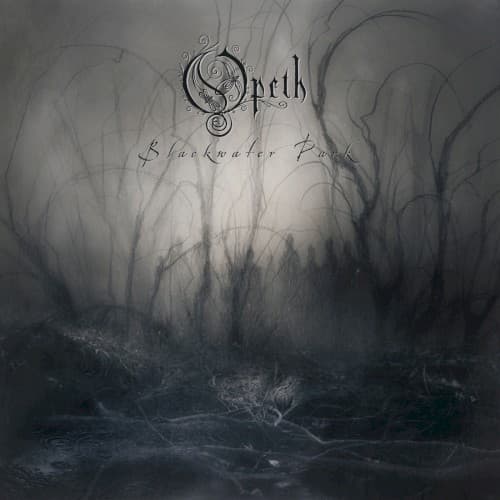
Gothic romanticism, Scandinavian forest aesthetics, Victorian cemetery photography
Location
Swedish death metal was incorporating more acoustic passages and emotional depth than its Florida counterparts.
Visual Language
The blurred boundaries between photographic elements and painted textures create ambiguity about what's real.
Symbols
Skeletal remains on decaying wood
Death becomes part of the natural cycle, decomposing back into the forest ecosystem's foundation.
Bare, twisted tree branches
Organic growth stripped to skeletal forms suggests life's structures reduced to their essential frameworks.
Layered fog banks
Multiple veils of mist create thresholds between visible and hidden realms of consciousness.
Where Sound Meets Image
The skeletal figure mirrors the album's acoustic interludes—bare, vulnerable moments between storms of distortion. Fog layers visualize the production's spatial depth, where clean guitars float over death growls. The forest's suffocating verticality matches songs like 'The Leper Affinity' that build tension through layered dynamics rather than constant assault. Even the gray tones reflect Mikael Åkerfeldt's vocal shifts between growled darkness and clean melancholy.
This cover taught metal bands that restraint could be more powerful than excess. The misty forest template influenced countless progressive and atmospheric metal releases throughout the 2000s. Its photographic naturalism helped legitimize metal in broader music journalism, presenting the genre as artful rather than cartoonish. Bands from Katatonia to Alcest would adopt similar Nordic forest aesthetics to signal complexity and emotional depth.