From Stockholm's Underground to Progressive Metal Royalty
Opeth emerged from Stockholm's death metal underground in 1990 as an outlier from the start. While Swedish peers doubled down on melodic death metal orthodoxy, guitarist and vocalist Mikael Åkerfeldt steered the project toward something far more ambitious — a collision of Scandinavian brutality and 1970s progressive rock sophistication that had no real template. The band's name, derived from a fictional city in the Sundered Empire fantasy novels, hinted at their literary ambitions and willingness to build expansive, narrative-driven compositions that defied metal's structural conventions.
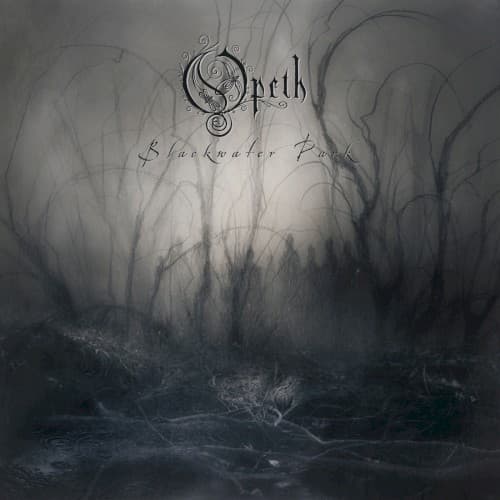
Across three decades, Opeth has maintained relevance by refusing stasis. Their early output redefined what extreme metal could encompass, blending guttural death vocals with clean singing, acoustic interludes with crushing riffs, and jazz-influenced chord progressions with blast beats. The 2001 landmark Blackwater Park cemented their status as progressive metal pioneers, demonstrating that brutality and beauty could coexist without compromise. Later, a complete pivot away from death metal growls toward full progressive rock alienated some fans while attracting new audiences, proving Åkerfeldt's commitment to creative evolution over commercial safety.
Today, Opeth occupies a unique position in metal: respected by extreme metal purists for their legacy work, embraced by prog rock enthusiasts for their current direction, and influential across generations of bands attempting to merge heaviness with compositional complexity. They've built a catalog that demands patient listening and rewards it with discoveries that unfold across repeated sessions.
Architectural Composition: Where Death Metal Meets King Crimson
Opeth's sonic identity rests on architectural songwriting — compositions that shift through distinct movements, alternating between acoustic introspection and crushing heaviness with the structural logic of progressive rock suites. Their early sound fused the tremolo-picked melodic death metal of Gothenburg with the mournful minor-key progressions of doom, then added something unprecedented: clean guitar passages borrowed from folk and classic prog, creating dynamic contrasts that made ten-minute songs feel necessary rather than indulgent. Åkerfeldt's dual vocal approach became their signature — guttural death growls delivering aggression, clean vocals providing melancholic counterpoint, often within the same track.
The production aesthetic evolved from raw early recordings toward cathedral-like clarity. Steven Wilson's engineering work on Blackwater Park and subsequent albums brought definition to the layers — acoustic guitars sitting crisp against distorted rhythm sections, bass lines given room to walk through jazz-inflected passages, and drums recorded with enough space to breathe through tempo changes. This production philosophy allowed complexity to register without sacrificing heaviness, making their music accessible to progressive rock fans who might otherwise avoid extreme metal.
Post-2011, Opeth abandoned death metal vocals entirely, embracing Hammond organs, Mellotrons, and vintage synth textures that evoke 1970s prog without pastiche. The shift revealed Åkerfeldt's influences more explicitly — Camel, Jethro Tull, Gentle Giant — while maintaining the band's commitment to long-form composition and tonal shifts. Guitar work remained central, but the riffs softened into melodic hooks and the solos adopted a more classic rock vocabulary. This stylistic reinvention proved their identity was rooted in compositional ambition rather than any single sonic palette.
Three Decades of Reinvention: From Orchid to Current Progressive Rock
Opeth's studio debut Orchid (1995) arrived as Swedish death metal was codifying its sound, but the album rejected genre expectations immediately. Tracks stretched past the ten-minute mark, incorporating acoustic guitars, whispered vocals, and progressive song structures that owed as much to early Genesis as to Entombed. Morningrise (1996) doubled down on this approach with even longer compositions, establishing a pattern: Opeth would follow their vision regardless of commercial logic or scene politics. These early albums found an audience among listeners seeking depth in extreme metal, though production limitations kept them cult favorites rather than breakthrough statements.
My Arms, Your Hearse (1998) marked a turning point — tighter song structures, improved production, and a concept album narrative that demonstrated Åkerfeldt's literary ambitions. Still Life (1999) refined this formula further, balancing brutality with melody more effectively and showcasing the band's growing confidence in clean vocal passages. But Blackwater Park (2001) achieved something rare: it satisfied both extreme metal fans and progressive rock listeners, becoming the gateway album that introduced thousands to Opeth's sound. Steven Wilson's production captured every layer with precision, and songs like "The Drapery Falls" demonstrated how seamlessly the band could move between acoustic melancholy and crushing heaviness within a single composition. The album's critical and commercial success positioned Opeth as progressive metal's most vital act.
Deliverance and Damnation (2002-2003) arrived as companion pieces — the former emphasizing aggression, the latter entirely acoustic and clean-sung. This bifurcation strategy allowed the band to explore both extremes of their sound separately, though some fans questioned whether the chemistry was stronger when both elements interacted. Ghost Reveries (2005) reunited these approaches, adding orchestral elements and expanding the band's palette further. Watershed (2008) would be their final album featuring death metal vocals, closing an era with ambitious compositions that hinted at the stylistic shift to come.
Heritage (2011) shocked longtime fans by eliminating growls entirely, embracing vintage progressive rock with Hammond organs, flute-like synths, and a warm analog production aesthetic. The move was polarizing — some praised Åkerfeldt's courage to evolve, others felt the band had abandoned what made them distinctive. Pale Communion (2014), Sorceress (2016), and In Cauda Venenum (2019) continued this direction, each album refining the prog rock sound while occasionally nodding to their heavier past through riff density and minor-key atmospherics. Recent work maintains their compositional complexity while operating in a completely different sonic space, proving that Opeth's identity was always about ambition and craft rather than adherence to death metal conventions.
Redefining Progressive Metal's Boundaries and Inspiring a Generation
Opeth's influence reshaped what progressive metal could encompass. Before Blackwater Park, the genre largely meant technical precision and fantasy themes — Opeth introduced emotional depth, dynamic contrast, and the idea that brutality and beauty could strengthen rather than dilute each other. Countless bands followed: Ne Obliviscaris, Insomnium, Katatonia (though they were peers), and others attempting to blend clean and harsh vocals with progressive structures. The template Opeth established — lengthy compositions, acoustic interludes, death metal aggression, melancholic melodies — became a recognized subgenre approach, though few matched the execution.
Åkerfeldt's willingness to abandon death metal entirely demonstrated artistic integrity that transcended commercial calculation. While the shift cost them some fans, it earned respect across the music industry and positioned Opeth as a band driven by creative vision rather than audience expectations. This precedent gave permission to other metal acts to explore stylistic reinvention without fear of betraying their identity. The progressive rock community also embraced them, with Opeth performing at festivals alongside classic prog bands and earning recognition outside metal's traditional boundaries.
Their catalog now serves multiple purposes: the early-to-mid period albums remain essential listening for anyone exploring progressive death metal's possibilities, while the later work attracts listeners who might never engage with extreme metal. Blackwater Park endures as a genre-defining statement, regularly appearing on greatest metal albums lists and serving as the entry point for new fans. Opeth proved that metal bands could mature, evolve, and chase artistic curiosity without losing relevance — a legacy that extends beyond their discography into how metal artists conceptualize long-term careers.