Brooklyn's Dark Romantics: Type O Negative's Gothic Metal Revolution
Type O Negative emerged from Brooklyn's hardcore scene in 1989 carrying baggage most bands wouldn't dare acknowledge — self-loathing, sexual obsession, morbid humor, and an unfashionable love for The Beatles filtered through Black Sabbath's heaviest moments. Frontman Peter Steele, bassist Kenny Hickey (guitar), Josh Silver (keyboards), and drummer Sal Abruscato (later replaced by Johnny Kelly) didn't just play metal slower and sadder. They weaponized vulnerability, turning romantic failure and death fixation into towering gothic monuments that made doom metal emotionally accessible without sacrificing its crushing weight.
What separated Type O Negative from their gothic metal contemporaries was their refusal to escape into fantasy. While European bands draped themselves in vampiric theater, Steele's lyrics wallowed in the specific humiliations of urban dating disasters, family dysfunction, and pharmaceutical dependency. His baritone voice — so deep it seemed to emanate from some subterranean chamber — delivered lines about ex-girlfriends and seasonal depression with the same gravitas other singers reserved for apocalyptic prophecy. This was gothic metal for people who worked day jobs and nursed hangovers, not castle dwellers.
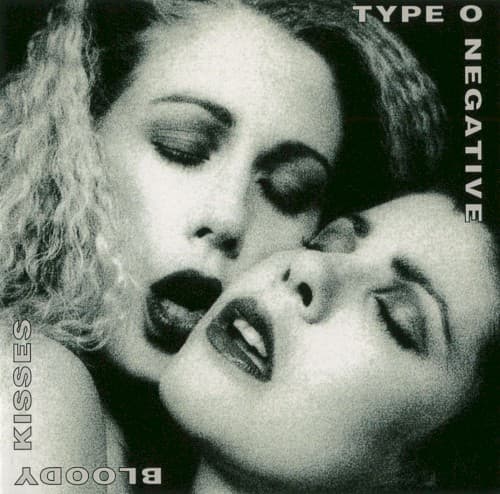
Their commercial peak arrived with Bloody Kisses in 1993, an album that somehow landed a platinum certification by packaging suicidal ideation and BDSM imagery in hooks memorable enough for MTV rotation. The success felt like a cosmic joke the band was in on, and they spent the rest of their career alternating between accessible darkness and deliberate commercial self-sabotage. Steele's death in 2010 closed the book on a band that proved heavy music could be simultaneously crushing and tender, misanthropic and romantic, deadly serious and darkly funny.
Glacial Tempos and Green-Tinted Melancholy: The Type O Negative Sound
Type O Negative's sonic architecture rested on a foundation of detuned guitars grinding against Steele's bass lines, which functioned less as rhythmic support and more as a second melodic voice rumbling beneath the surface. The guitars moved in slow, deliberate arcs — not the patient build of traditional doom but something more like emotional quicksand, pulling listeners deeper into Steele's psychological swamp with each repetition. Silver's keyboards added layers that ranged from church organ solemnity to cheesy horror movie atmospherics, often within the same song, acknowledging the camp inherent in gothic posturing while committing to it completely.
Steele's vocal approach defied metal convention by embracing crooning alongside growling. He could shift from a baritone croon that wouldn't sound out of place on a 1950s ballad to a leonine roar that recalled his hardcore roots in Carnivore, sometimes within a single verse. This tonal flexibility allowed the band to navigate territory between Type O Negative's celestial harmonies and crushing nihilism. The production aesthetic favored thickness over clarity — guitars sounded like they were recorded in a flooded basement, drums hit with the weight of coffin lids slamming shut, and everything swam in reverb that suggested cavernous spaces.
The band's willingness to incorporate unlikely influences set them apart from purist metal acts. Beatles-esque harmonies surfaced in unexpected moments, disco beats occasionally infiltrated their dirges, and Steele's love of 1960s psychedelia manifested in trippy instrumental passages. They covered everyone from Seals and Crofts to Neil Young, reinterpreting soft rock chestnuts as goth anthems without ironic distance. This eclecticism could have felt gimmicky, but Type O Negative's commitment to their miserable worldview unified even their strangest stylistic detours. Every experiment served the larger project of making sadness sound enormous.
From Carnivore's Chaos to Platinum Darkness: Type O Negative's Unlikely Ascent
Peter Steele's pre-Type O Negative band Carnivore played thrash-inflected hardcore with politically provocative lyrics that courted controversy without the nuance he'd later develop. When that project imploded, Steele recruited childhood friend Sal Abruscato on drums, Josh Silver on keyboards, and Kenny Hickey on guitar to create something heavier and more emotionally direct. Their 1991 debut Slow, Deep and Hard announced intentions with its provocative title and runtime exceeding an hour — this was music designed to test patience and endurance. The album's quasi-conceptual structure, following a relationship's violent dissolution, established templates the band would refine: glacial tempos, self-lacerating lyrics, and a perverse sense of humor about their own wallowing.
The follow-up The Origin of the Feces (1992) doubled down on antagonism, packaging a live album (actually studio recordings with crowd noise added) in artwork depicting the band defecating. Roadrunner Records nearly dropped them. Instead of retreating, Type O Negative recorded Bloody Kisses, the album that would define their career and confound expectations about what gothic metal could achieve commercially. "Black No. 1 (Little Miss Scare-All)" became an unlikely MTV hit, its mid-tempo groove and Steele's deadpan delivery of goth girl stereotypes resonating with the same audience embracing grunge's emotional directness. "Christian Woman" proved even more audacious, pairing religious imagery with sexual confession over a near twelve-minute runtime that somehow didn't feel indulgent.
Success didn't domesticate them. October Rust (1996) leaned into the band's melodic strengths, opening with the deliberately offensive fake track "Bad Ground" before delivering their most accessible material. Songs like "Love You to Death" showed Steele could write genuinely romantic material without abandoning his morbid obsessions — the title said everything about his approach to love songs. World Coming Down (1999) swung hard in the opposite direction, a deliberately punishing album about death and addiction that Steele described as "the worst record we ever made" in terms of listenability, though fans recognized it as perhaps their most honest. The production felt murky even by their standards, Steele's lyrics addressed his family's history with illness, and the overall mood suggested a band using music as therapy rather than entertainment.
Johnny Kelly replaced Abruscato on drums for October Rust, bringing a more refined approach that paradoxically made the heaviness hit harder through improved dynamics. Life Is Killing Me (2003) found the band aging into their misanthropy, acknowledging mortality with the gallows humor of men entering their forties with their health and relationships deteriorating. Their final album Dead Again (2007) benefited from the longest gap between Type O Negative releases, and the recharged energy was audible — these were slower, heavier songs played with renewed conviction. Steele's vocals sounded particularly commanding, as if he'd accepted his role as metal's laureate of romantic failure and death acceptance.
Steele's sudden death from heart failure in April 2010 at age 48 shocked fans despite his well-documented health struggles and substance issues. The remaining members correctly recognized that Type O Negative couldn't exist without his voice, songwriting, and persona. No reunion discussions emerged, no replacement singer auditions — the band simply ceased to exist, their discography standing as a complete statement rather than an ongoing project.
Green Man's Shadow: How Type O Negative Redefined Gothic Metal's Emotional Range
Type O Negative's most significant contribution was making vulnerability masculine within metal's traditionally macho framework. Before Steele, few metal frontmen would openly discuss romantic rejection, sexual inadequacy, or suicidal depression without metaphorical cover. His willingness to center songs around specific emotional failures — not abstract darkness but the particular sting of being dumped — gave permission to subsequent generations of heavy bands to explore emotional territories beyond anger and rebellion. When Ville Valo of HIM discussed Type O Negative's influence, he specifically cited this emotional honesty as liberating.
The band's impact on gothic metal's sonic palette proved equally lasting. Their integration of keyboards as essential rather than decorative elements, their use of extreme tempo shifts within songs, and their embrace of dark humor as counterweight to crushing heaviness became standard tools for bands navigating the space between doom and goth. Groups like Paradise Lost, Moonspell, and later acts like Swallow the Sun all absorbed lessons about balancing beauty and brutality that Type O Negative had pioneered. Even beyond explicitly gothic acts, their influence surfaces in any heavy band willing to slow down and get sad — the doom-adjacent moments in modern metal often trace lineage back to Brooklyn's green man.
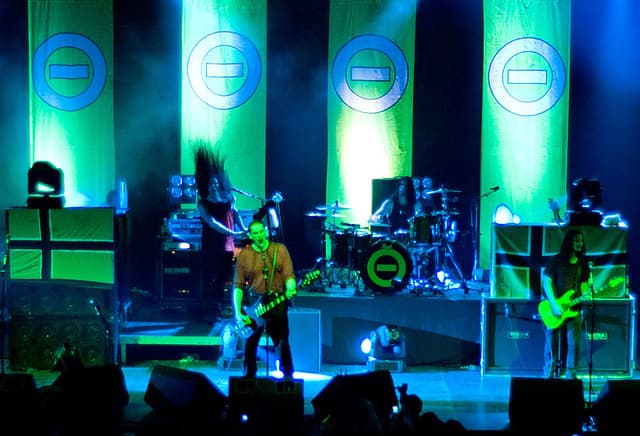
Culturally, Type O Negative occupied a unique position as a bridge between metal's underground and alternative rock's mainstream moment in the 1990s. They proved heavy music could be romantic without being weak, slow without being boring, and self-aware without sacrificing intensity. Their visual aesthetic — Steele's imposing physical presence, the band's preference for green lighting and autumnal imagery — created an instantly recognizable brand that influenced metal's visual language. The archetype of the sensitive monster, the thoughtful brute, the romantic nihilist — Steele embodied all of these contradictions, and metal has been mining that territory ever since. His absence hasn't been filled because it can't be; Type O Negative's specific combination of humor, horror, and heartbreak belonged to a particular time, place, and impossibly deep voice that won't come around again.